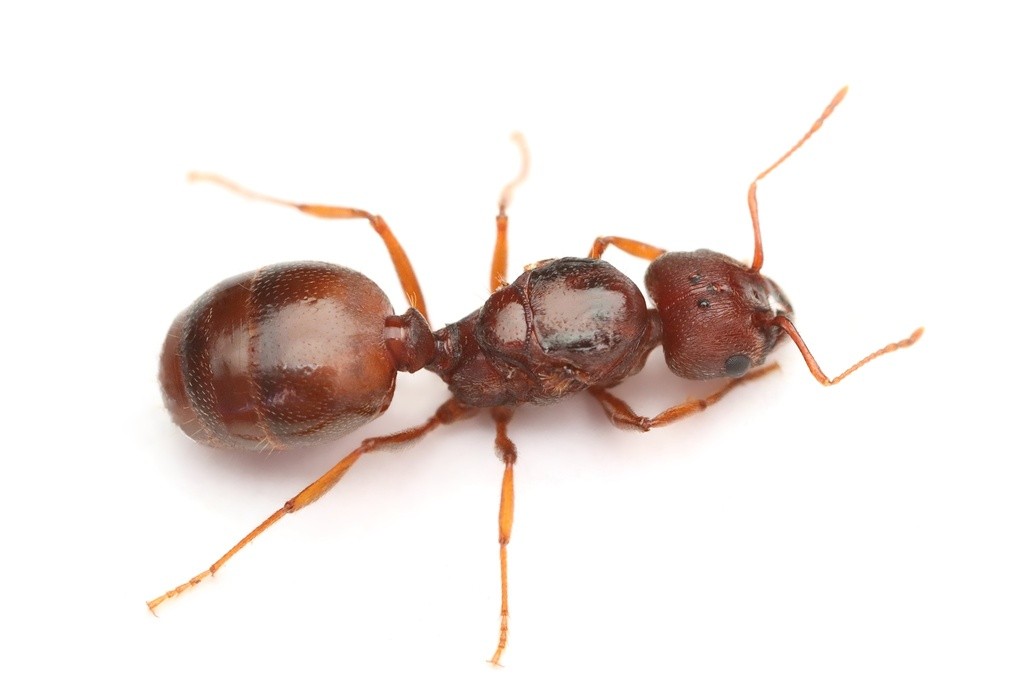
Why Isn't My Queen Laying Eggs?
A queen not laying eggs is typically for one of a few reasons. This guide walks you through what those are and how to remedy them.
The Short Answer
Before trying to solve a problem that may not exist, make sure there is reason for concern. You can make things worse by stressing her out if you try to solve problems for your queen that aren't there. Founding can take two to twelve weeks depending on the species, and a first week with nothing in the tube isn't usually cause for alarm.
Temperature Is Important
A queen taking an abnormally long time to lay is usually a symptom of sub-ideal temperatures.
As an example, a queen kept at 68F, when the species has evolved to thrive in 90F+ environments, is usually trying to lay eggs as soon as she can. However, every biomechanical process required to enable that is operating at a snail's pace. Room temperature is below the ideal temperature for the vast majority of ant species, so be cognizant this could be playing a role.
If possible, look your species up in the Care Advisor before you change anything. While heating can be massively beneficial for our ants, it can also kill them.
You Might Be Disturbing Her
A disturbed queen doesn't feel comfortable laying eggs.
When it comes to established colonies, we would rather you desensitize your ants to light but for founding queens they need a dark, calm, vibration-free environment to feel comfortable enough laying their first eggs. Founding queens are the most vulnerable they will ever be in their lives. As a result, they can be quite anxious little gals, hahaha. The majority of queens that refuse to lay do so because they do not feel comfortable enough in the founding setup.
Caught Late In The Year
Some of the queens people encounter which seemingly refuse to lay eggs are waiting for winter to pass before they begin founding.
In many Lasius spp., for example, the ants have an "internal calendar" which seemingly keeps track of the time of year. When they get late enough into Fall, their "internal calendar" tells them to start shutting down for winter whether or not it's even cold. They don't want to be caught by surprise when winter inevitably arrives.
If your queen belongs to a species with such an "internal calendar", she's not going to begin founding until "winter" has passed. If she came from a flight late in the season, and everything else seems to be fine, there's a pretty good chance she just needs to diapause. Our notes on running a diapause cover which species need one and how to diapause your ants.
What's Next
Check the temperature, make sure the tube is set up correctly with ample water, and then leave the queen somewhere quiet for roughly two weeks.
In most instances, you'll return to your queen to see she's laid eggs. If she still hasn't, and you don't know what to do next, get in touch. We are happy to help you navigate what's going on and guide you through the next steps.