The Lab Notebook
Care tips, species spotlights, research, and community updates from the TrapJaw team.
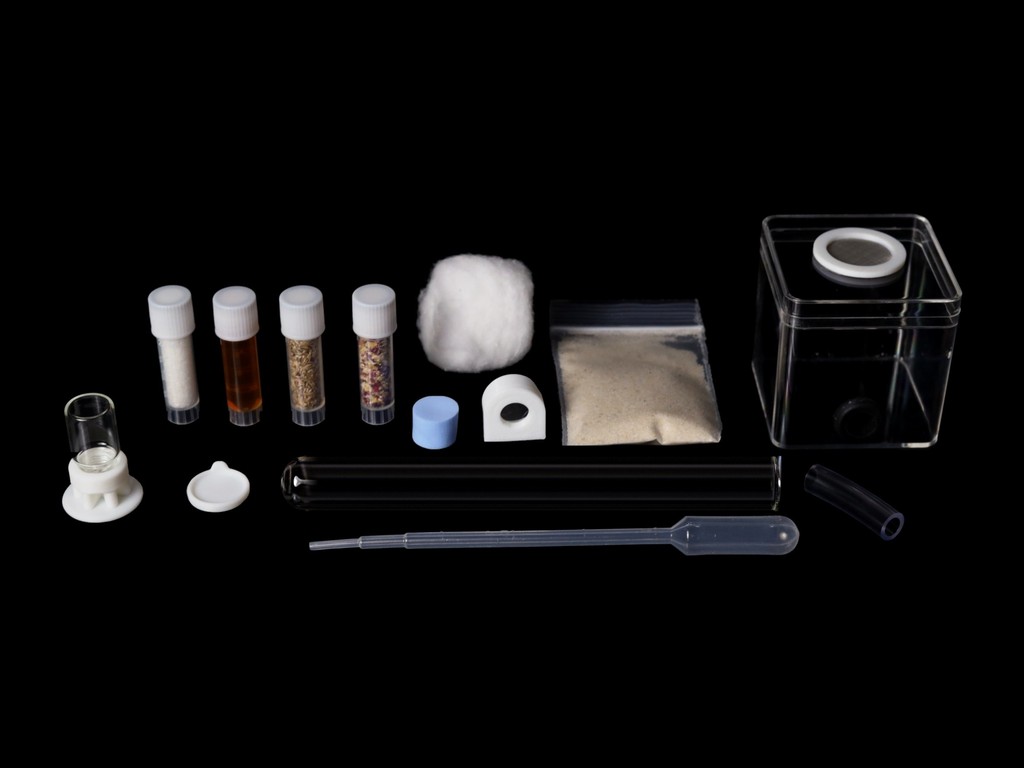
Why Our Ants Always Ship With A Colony Care Kit
Most ant-sellers ship ants in a test tube wrapped in paper towels. Here is what goes in our box instead, and what each item does for your colony.
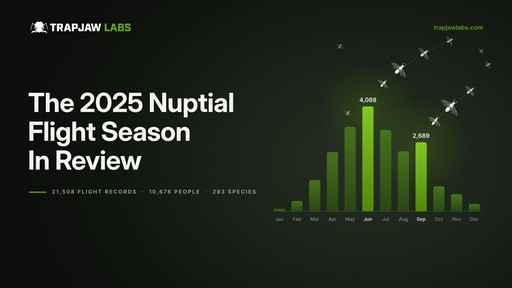
The 2025 US Nuptial Flight Season In Review
More than 21,000 US nuptial flight records from 10,600+ people: when ants flew in 2025, which species flew, and the busiest days of the year.
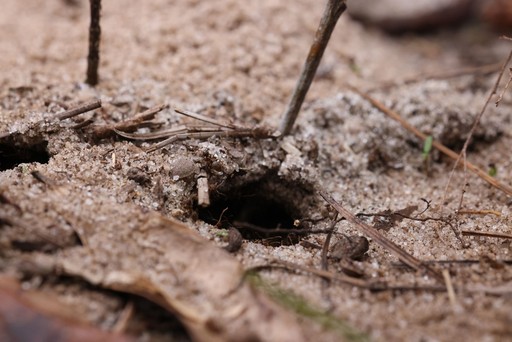
How To Diapause (Hibernate) Your Ants
Which of the species we stock actually need a winter, what we keep them at, and why the colony decides when it starts rather than the calendar.
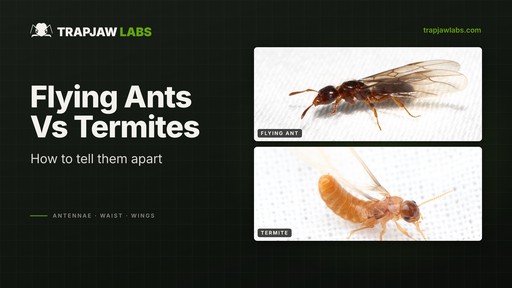
Flying Ants Vs Termites: How To Tell Them Apart
Flying ants and termites look alike at first glance. Here's how to tell them apart, when each one flies, and what it means if you find them inside.
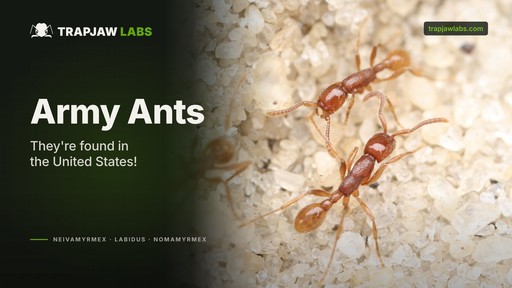
Army Ants: They're Found in the United States!
Yes, the US has army ants. Here's which ones live here, how they hunt and move, why their queens never fly, and whether they're dangerous.
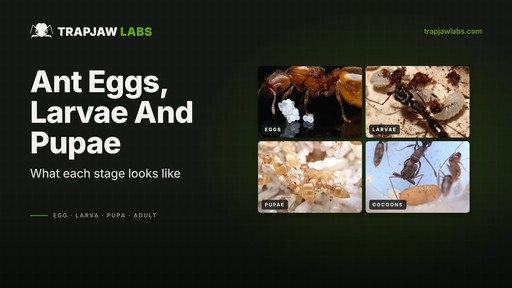
Ant Eggs, Larvae And Pupae: What Each Stage Looks Like
Ant eggs, larvae and pupae look nothing like adult ants. Here's what each stage looks like, how long it lasts, and what those "ant eggs" usually are.
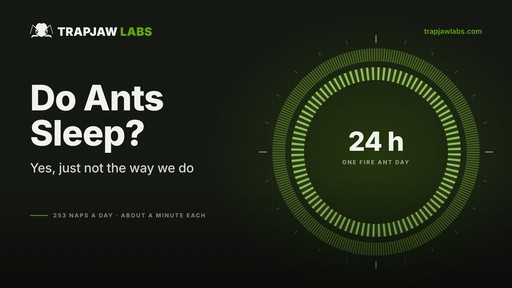
Do Ants Sleep? Yes, Just Not The Way We Do
Ants do sleep, in short naps around the clock. Here's how much fire ant workers and queens sleep, and what it means for a colony you keep.
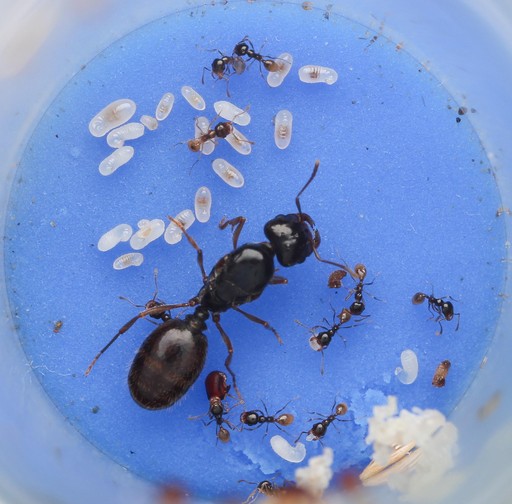
How To Set Up A Test Tube With A PVA Sponge
Two methods for setting-up a TJL PVA sponge and how to know if you did it right.
How To Find And Catch A Queen Ant After A Nuptial Flight
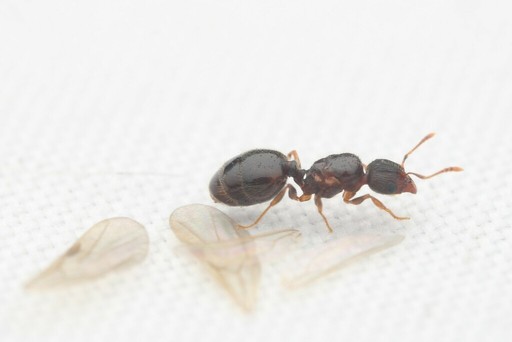
When queen ants fly, where they land, how to blacklight for them, what to bring, and how to get your queen home safely to a test tube.
Best PVA Test Tube Sponge For Ants? 5 Setups Tested
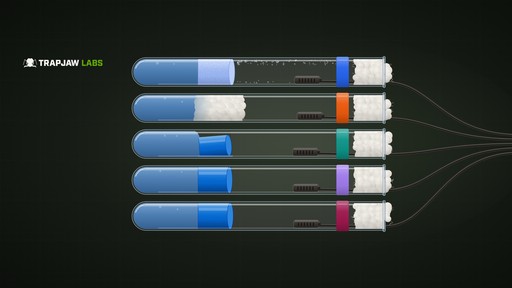
Five tubes, 11 days: only our PVA sponge stayed under the strict 0.20 kPa drying limit the whole time. Here's how cotton and three other sponges compared.
New Discovery: Fungus-Farmers Can Be Reared In TJL Sponges
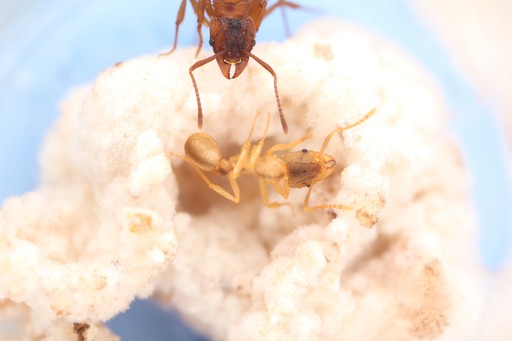
Why we founded roughly 50 Trachymyrmex septentrionalis (Northern Fungus-farming Ant) queens with TJL sponges this year, and why it's now our preferred method for founding them.
Best Beginner Ants?
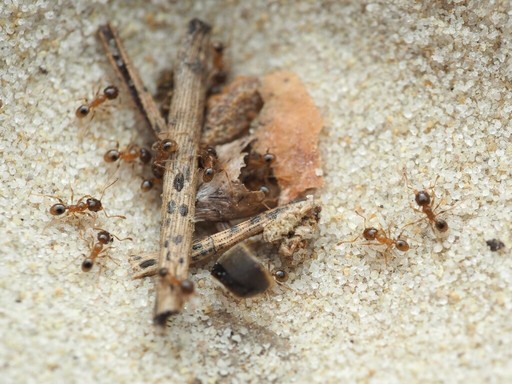
Five species that are beginner-friendly and why your state of residence heavily influences which one we'd recommend.
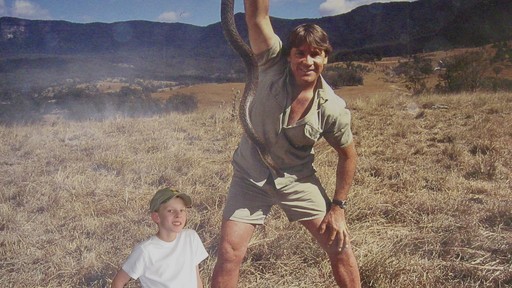
Remembering Steve Irwin
TrapJaw Labs looks back on Steve Irwin's legacy as a wildlife warrior, 20 years after his tragic death. Miles shares personal stories and insights into how Steve Irwin inspired him, and how those insights power TrapJaw moving forward.
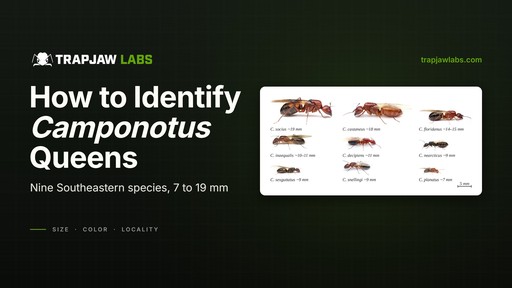
How to Identify Camponotus Queens in the Southeastern US
A visual guide to the "Carpenter Ant" queens of the Southeastern U.S., from the giants at the porch light to the twig-nesters under 10 mm.
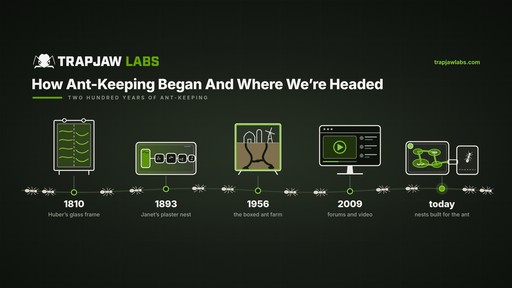
How Ant-Keeping Began And Where We're Headed
Two hundred years of keeping ants in boxes, from Huber's glass plates in 1810 to where the hobby sits now.
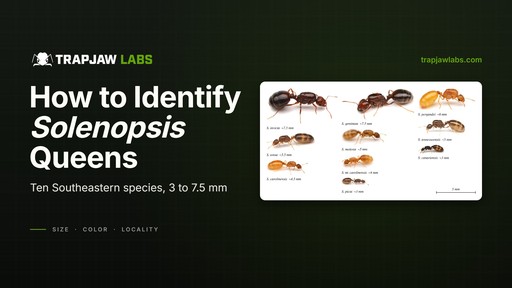
How to Identify Solenopsis Queens in the Southeastern US
A visual guide to the "Fire Ant" and "Thief Ant" queens of the Southeastern U.S. as well as a quick cheat-sheet.
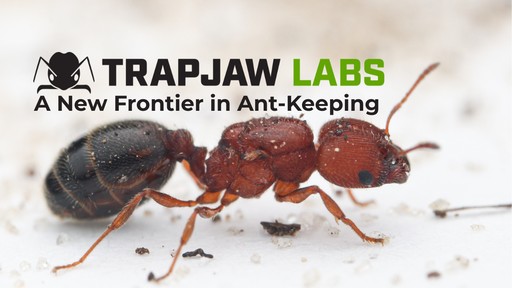
A New Frontier in Ant-Keeping: Pheidole littoralis
How we reared Pheidole littoralis in captivity, something that's never been done before.
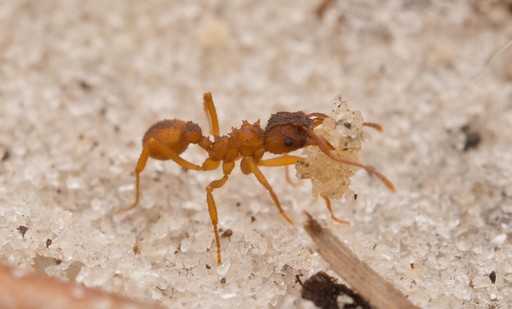
Species Spotlight: Trachymyrmex septentrionalis
The northernmost fungus-farming ant on the planet, and one of the easiest to keep once you get the humidity right.
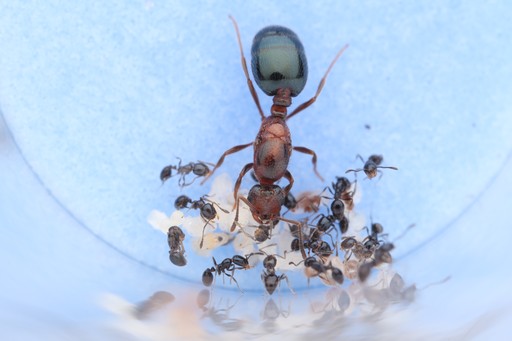
Why We Only Sell Queens With Workers
Why every colony we ship has workers in it, and why we won't sell you a founding queen on her own.
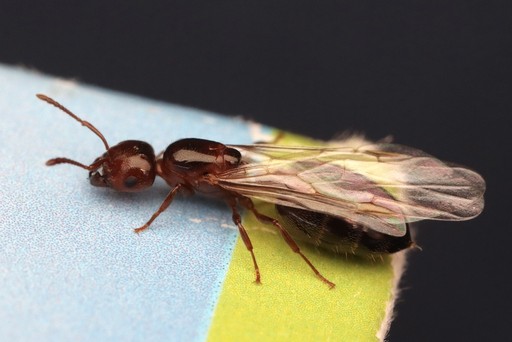
Southeastern US Ant Nuptial Flights
Nuptial flight records for the far southeastern United States: 7,620 observations across 161 species, charted by month and by time of day.
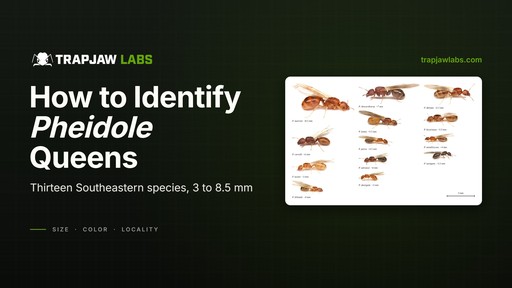
How to Identify Pheidole Queens in the Southeastern US
A visual guide to the most commonly encountered Pheidole queens in the southeastern U.S., with identification tips, comparison photos, and common lookalikes.
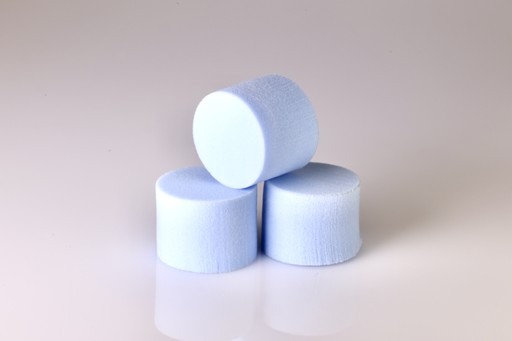
PVA Test Tube Sponges & Cotton Experiment
53 days of minute-by-minute data: our PVA sponge tube held 92.6–96.7% humidity, while cotton held 81.6–86.0%.
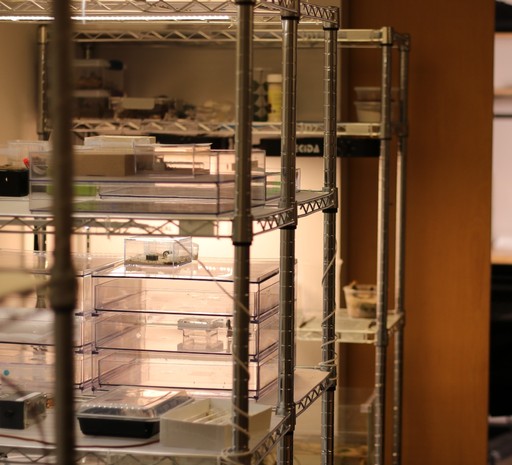
Keep Your Ants Illuminated
Although it'd seem like you should keep your ants' nest dark, like it would be in the wild, TJL has found it's usually best not to.
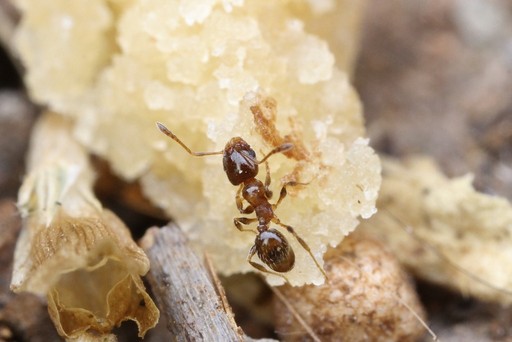
Species Spotlight: Pheidole bicarinata
A closer look at Pheidole bicarinata: how to separate them from their look-alikes, where they actually live, what the literature still doesn't know, and how they behave in a captive setup.
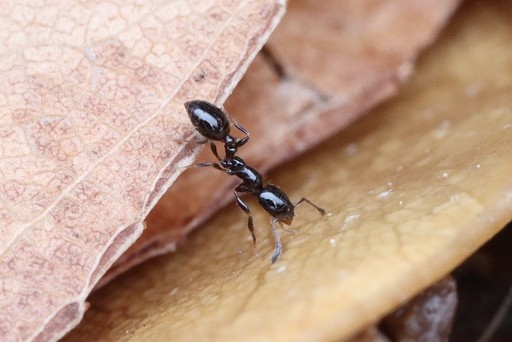
5 Critical Care Tips
The five things that go wrong most often when you are keeping a species that does not have a care guide yet.