The TrapJaw Labs Shop
High-quality Ant Nests, Colonies, and Ant-Accessories for every level of ant-keeper.
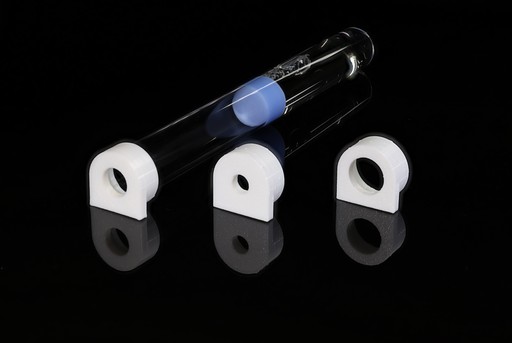
TubeDock
Four Hole Options Durable & Flexible Multipurpose Design TrapJaw's TubeDock™ System Our TubeDock™ adapters bring multipurpose functionality to the persistent problems of rolling test tubes and connecting them to other products. Made of durable and flexible material, TubeDocks snugly facilitate vinyl tubing + test tube connections. Choosing a Version All TubeDocks are compatible with 16mm test tubes. 1/8" (3mm) Hole Best For Tiny ants living in a 'tubs and tubes' setup. 1/4" (6mm) Hole Best For Small ants; connectivity with 1/4" OD tubing 3/8" (10mm) Hole Best For Most ants; connectivity with 3/8" OD tubing 1/2" (12.7mm) Hole Best For Large ants; connectivity with 1/2" OD tubing All TubeDocks may be used inside foraging areas to reduce tube openings. Elevated Stabilizer The flat bottom keeps test tubes from rolling, ensuring the safety of your queens and colonies. A slight angle helps to prevent flood risk, giving your ants higher ground in case of temperature swings. Perfect for tubes in drawers, along heating cables, and within Foraging Areas. Fit for Foraging Areas Use a TubeDock to provide ants with a smaller nest entrance. Reduces humidity loss and increases security within the living environment of a "tubs and tubes" setup. Connect to Formicaria TubeDocks are compatible with all TJL nests and foraging areas using flexible TJL vinyl tubing. Recommended Accessories 16x150mm Test Tubes The standard tube size across all TrapJaw gear. Every TubeDock is sized to fit them. Required Vinyl Tubing Connects a TubeDock to nests and foraging areas. Match the OD to your hole size. Optional Test Tube Sponges Holds a water reservoir in the tube and will not mold on its own, unlike cotton. Optional Foraging Areas Somewhere to feed outside the tube. A TubeDock narrows the entrance once inside. Optional
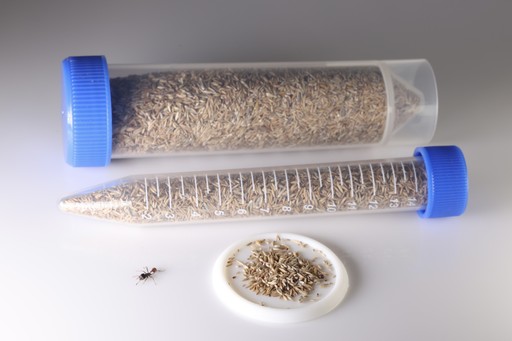
Premium Seed Mix
Harvester Ant Blend Heat-Treated Seeds Pesticide-Free Sealable Vial and Mini-Spoon TrapJaw's Premium Seed Mix Harvester ants don't consume seeds when they find them. Instead, they strip the husk, chew the endosperm into a paste and pack the rest away in dry storage chambers called granaries. What you put in the foraging area ends up in the nest as stored food! This is our own rigorously-tested blend for granivorous ant species and packed in a sealable vial with a serving spoon: Seed Selection We have formulated this mix for harvester ants specifically. While we can't guarantee all harvester ants will take all of the various types of seeds in our mix, we are confident this is the best mix on the market. Heat Treatment Every batch is carefully heat-treated before the vial is sealed. That significantly reduces germination without damaging nutritional value. A humid granary chamber won't have tons of seeds sprouting -- but you might get some here and there. Ants are well-equipped to handle a few sprouts. Storage Keep the vial sealed and in the freezer, or at least somewhere cool and dry. Feeding Put a small amount out in the foraging area as needed. Harvester ants store what they don't use straight away, so once a week is usually enough (depending on colony size) for the genera below. Ants That Take Seed Pogonomyrmex 6 species The classic harvester. We keep P. badius , P. barbatus , P. californicus , P. maricopa , P. occidentalis and P. rugosus . Veromessor 2 species We keep V. andrei and V. pergandei . Both found semi-claustrally, so the queen has to be fed while she is founding. Novomessor 2 species We keep N. albisetosus and N. cockerelli . They will occasionally take seeds. Pheidole 17 species Seventeen of the Pheidole on our Care Advisor collect seeds, and ten of those are true granivores. Solenopsis 2 species We keep S. geminata , which builds expansive seed stores, and S. xyloni , which takes seed occasionally. Tetramorium 1 species We keep T. immigrans . It takes small seed when offered, though the colony does fine without it. Read the full harvester feeding guide → Seed, insects and sugar water for each genus, plus how much and how often. Not for human consumption or planting.
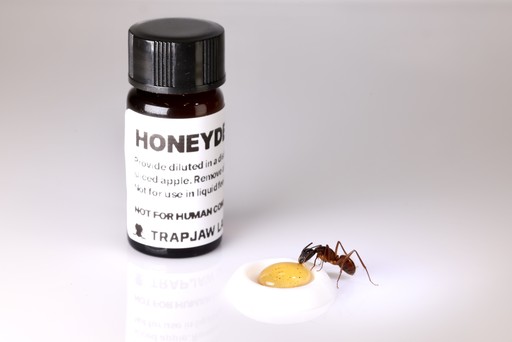
Honeydew Honey
Honeydew, Not Nectar More Than Simple Sugars 50ml Vial and Spoon Included Honeydew Honey Imported from a specialty producer, where honeybees produce the honey from hemipteran honeydew rather than flower nectar. This honey contains many of the nutrients found in the diet of wild ants. Honeydew, Not Nectar Honeydew is the sugary fluid excreted by sap-feeding hemipterans: aphids, scale insects, mealybugs and treehoppers. Ants tend those insects in the wild, and it carries sugars and other nutrients that nectar and "sugar-water" do not, including oligosaccharides such as melezitose. Sugars and Symbionts Beyond sugar, honeydew carries other micronutrients. Early stage research indicates some of these may be important for the health of some ants' symbiotic gut microbes. How to prepare it Honeydew honey is thick out of the vial. Dilute it before offering it to your colony. Dilute Stir a small amount into equal parts warm water in the mixing vial until it runs freely off the spoon and is evenly mixed. Offer A drop on a feeding dish. Never put honey or honey-water in a liquid feeder. Refresh Remove whatever is not eaten within 6 hours. Store Cap the honey vial and keep it at room temperature or store it in the freezer for greater longevity. Be sure not to use hot water or a microwave to thaw honey. Honey-water mixture may be stored in the fridge for no more than 48 hours. Ships as 5ml of honeydew honey in a glass vial, with a mixing vial and stir spoon. Species Notes We advise that you don't feed honey to honeypot ants (Myrmecocystus spp.) due to the potential for fermentation within the repletes. Sugar water and organic apples are preferable.
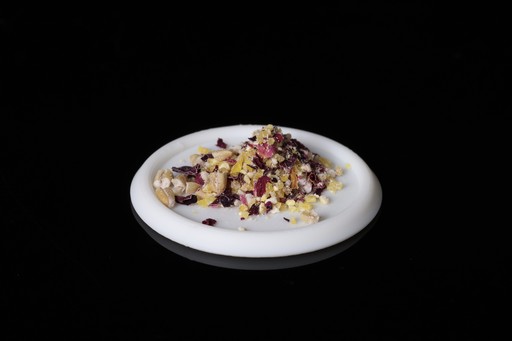
Fungus-Farmer Diet
Fungus-Farmer Diet Variety Of Plant Material TrapJaw Labs' Fungus-Farmer Diet Fungus-farming ants don't eat the "food" you give them. They carry it back to the nest, use it to cultivate a fungus garden, and it's that garden which feeds the colony. You aren't really feeding your ants, you're feeding their fungus! This is our own blend of plant materials for fungus-farming ant species, built around what we have found to work best for our fungus-farmers over the years. Cutting Optional Most fungus-farmers will cut soft plant material when they have to, but they prefer to scavange what is readily-available if possible. Small colonies especially prefer material they don't have to cut. Variety Colonies can become picky about foods that get used over and over, Acromyrmex and Atta in particular. A blend gives them several different materials to choose from instead of the same thing every week, preventing them from "growing tired" of what you're offering. Feeding Put a small amount out in the foraging area as needed. One of the benefits of this being a dried mix is that it lasts for a very long time in your ants' Foraging Area. Ants That Farm Fungus Trachymyrmex As Needed The northernmost fungus-farmer on Earth. We keep T. septentrionalis , which gathers plant detritus rather than cutting leaves. Acromyrmex As Needed We keep A. versicolor , the leafcutter of the Sonoran Desert. They are the most likely of the three to get picky about a repeated food. Atta As Needed A. texana is on our Care Advisor . Established colonies cut their own leaves, though a small one still takes material it doesn't have to. T. septentrionalis' Species Spotlight → What they forage in the wild, how the garden actually works, and the humidity that keeps it alive. Not for human consumption.
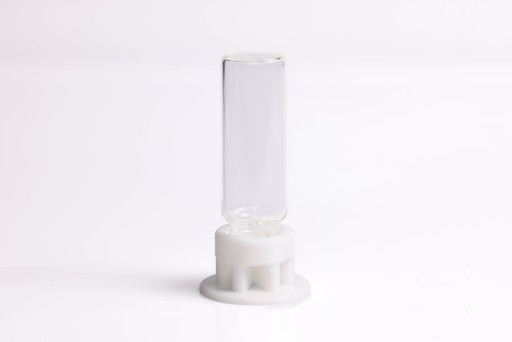
Liquid Feeder
Two Capacity Options Refillable Glass Vial TrapJaw's Liquid Feeder Ants need a steady supply of liquids, but just a small drop can drown some ants. The TJL Liquid Feeder holds liquids in a glass vial, with small openings for the ants to drink from, to eliminate this problem. The Screen A protective stainless-steel screen sits embedded at the mouth of the vial. Workers drink through the mesh, between the openings on the base. For particularly small ants, this prevents them from getting trapped in the vial before its empty. Choosing a Version Bases are interchangeable between vial sizes. 2.3ml Vial Best For Founding and small colonies 4ml Vial Best For Developing and large colonies The 10 Feeder Bundle ships five of each, so you can keep both sizes on-hand. Refilling & Washing The glass vial screws into the base for refilling or washing. Placement The TJL Liquid Feeder is designed to sit on any flat surface. What's in the 10 Feeder Bundle 10× Feeder Base 10× Stainless Steel Screen 5× 2.3ml Glass Vial 5× 4ml Glass Vial
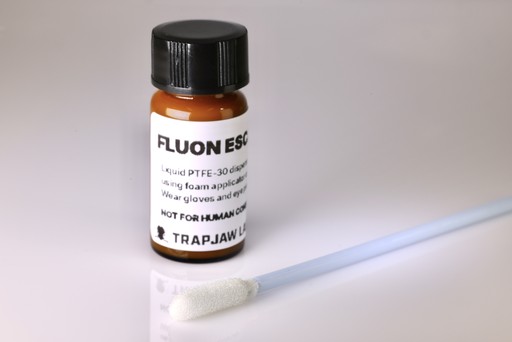
Fluon Escape Barrier
PTFE-30 Dispersion Smooth Surfaces Only Foam Applicator Included Longer Life with Ventilation Fluon Escape Barrier A 5ml vial of liquid PTFE-30 dispersion, sold elsewhere as Fluon® or Insect-A-Slip. When used properly it dries as a smooth surface that ants cannot grip, so they harmlessly fall to the ground and remain contained. PTFE Dispersion Fluon is a solution of PTFE suspended in water. Many vendors additionally dilute their PTFE, we do not. This means our fluon remains useful for longer; all fluon mixtures degrade over time as the PTFE falls out of suspension. Full-strength fluon retains functionality on comparatively rough surfaces and lasts longer after applied. Smooth Surfaces Fluon needs a non-porous surface for application, which is why surfaces made of acrylic, glass and most plastics pair well. Porous or textured material soaks up the water and or deposits the PTFE too sparsely, providing microscopic footholds for the ants. Surface Compatibility Fluon dries into a layer on a material's surface. Compatible Surfaces Foraging Area's security rim Acrylic and glass Smooth surfaces Incompatible Surfaces Wood, cork, or anything porous Anything wet or oily Textured plastics Application Work on a clean, dry surface and smoothly spread a band around the top inside edge with the included foam applicator. Stand the container upside down on paper towel while it dries so the wet dispersion cannot run down the wall and pool at the bottom. If using a TJL Foraging Area, only apply the fluon to the underside of the security rim. How To Apply 1 Clean and dry Using a microfiber cloth, clean the application area and let it dry. Dust, finger oils, and other contaminants reduce the effectiveness of fluon. 2 Apply the fluon Along the TJL Foraging Area's security rim, using the included foam applicator. 3 Dry upside down Invert the container while it dries so the liquid cannot run down the wall, ruining the visibility and pooling at the bottom. 4 Let dry before adding the ants Let dry until fully opaque. Ventilation and Lifespan A well-ventilated foraging area keeps fluon working longer. High humidity (>70%RH) rapidly accelerates degradation and can allow ants to escape. Handling and Storage Gloves and eye protection Always wear gloves and eye protection while using fluon. Rotate every two weeks PTFE settles out of suspension over time. Slowly rotating the vial every two weeks reduces how quickly this happens. Do not shake Shaking whips air into the dispersion and clumps the particles. Store sealed and refrigerated A sealed vial reduces evaporation and prolongs shelf-life. For additional longevity, fluon should be refrigerated. Wear gloves and eye protection. Not for human consumption. Store sealed, refrigerated and rotate every two weeks. DO NOT SHAKE. PTFE is known to the State of California to cause Cancer - WARNING: Cancer and Reproductive Harm - www.P65Warnings.ca.gov MSDS for PTFE-30.
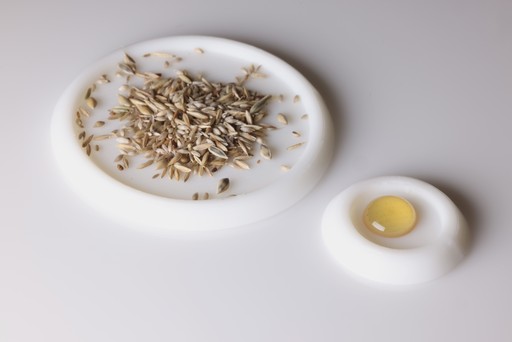
Feeding Dish
All Food Types Reusable Dealing With Leftovers Feeding Dish A white, reusable dish that keeps food in one place in the foraging area, so any leftovers can be lifted straight back out. Lifting Leftovers Out Uneaten food is the most common source of mold or microbial growth, which is why we suggest feeding your ants atop something you can easily remove. Choosing A Size Small Feeding Dish 0.75" diameter Large Feeding Dish 1.5" diameter Both sizes are a similar white, reusable dish, and both are compatible with all food types.
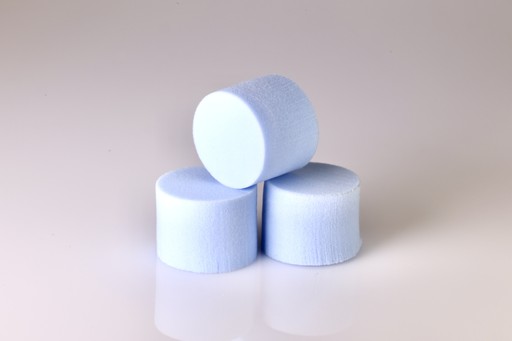
Test Tube Sponges
Higher Humidity Slower Moisture Loss Mold-Resistant Fits 16mm Test Tubes TrapJaw’s Test Tube Sponges Intended to replace the wet cotton in a traditional test tube setup. A PVA sponge maintains interior humidity closer to the conditions most soil-nesting species prefer. Higher Humidity We treat 90–100% relative humidity (RH) as the target for most soil-nesting species. The TJL sponge tube sat between 90–100% RH for all 53 days of our side-by-side trial against cotton . The cotton tube never reached higher than 86% RH. Fit and Setup Sized for standard 16x150mm glass test tubes. The TrapJaw Labs Difference Our sponges are produced in-house, and we use this control over the manufacturing process to bring PVA sponges to the next level. • Produced with precision to ensure a snug fit and reduce flood risk • Triple-washed and UV-sterilized for your ants’ health • Heat-treated and packaged
Test Tubes
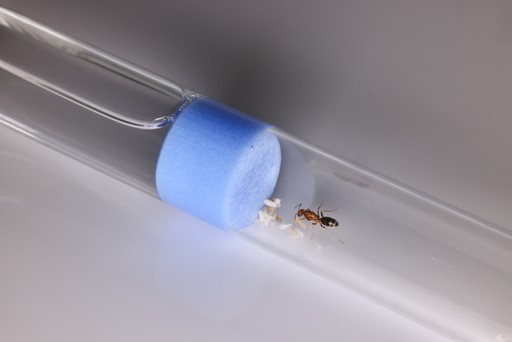
Standard 16x150mm Five Per Pack Water and Humidity in One TrapJaw's 16x150mm Test Tubes Five standard, glass test tubes in the most commonly used size in the ant-keeping hobby. Great for founding queens of most species. Water and Humidity Ants need drinking water and humidity, and a test tube can provide both. A water reservoir is held behind a sponge or cotton ball the colony drinks from, and that same reservoir keeps the air inside the tube humid. The Standard Size 16x150mm is the standard tube size for all TrapJaw gear, so these tubes are cross-compatible with all of our products, especially the TubeDock™ system. Recommended Accessories Test Tube Sponges Enables you to create a water reservoir and will not mold on its own, unlike cotton. Required TubeDock™ Keeps tubes from rolling and connects them to nests and foraging areas via vinyl tubing. Optional Foraging Areas Somewhere to feed and forage outside the tube. Every size can be used with a test tube. Optional
Featherweight Forceps (Soft Close)
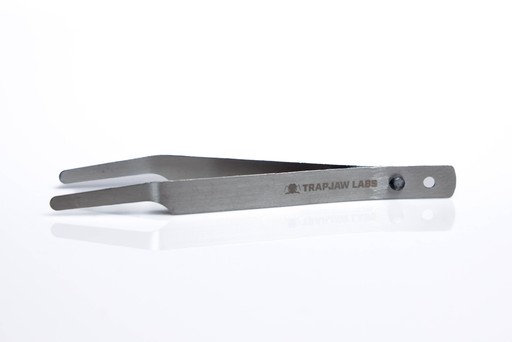
Soft-Close Action Narrow or Wide Tip Stainless Steel Featherweight Forceps Soft-close forceps in two tip widths, for carefully moving live ants, feeder insects and food items. Soft Close When used correctly, soft-close (featherweight) forceps pick an insect up without damaging it, which is what makes them usable around live ants and soft-bodied feeders. Normal tweezers and forceps grip ants too tightly, often damaging their bodies. Narrow or Wide Tip The narrow tip version is for carefully picking up small insects, and the wide tip handles medium-large insects or accessories. Narrow or Wide Narrow Tip A fine tip, for carefully picking up small insects. Wide Tip A wide tip, for medium-large insects or accessories. We offer both sizes in stainless steel and 6" in length. Everyday Maintenance It's best to avoid handling ants at all, but when you do, use featherweight forceps and soft brushes to manipulate them: What You'll Use Featherweight Forceps For Uneaten Food Pull leftovers out of the test tube or foraging area before they spoil. Corpses and Debris Take dead workers and refuse out. Positioning Food Place a pre-killed insect or piece of apple where the foragers will find it. Nest Transfers Move ants and accessories between nests and foraging areas. What to do about moldy test tubes → How to move your colony to a new nest → Specifications Material Stainless steel Action Soft close Length 6 inches Tip widths Narrow or Wide Feature Hole for keychain or lanyard Recommended Accessories Liquid Feeder Optional Sturdy base with a stainless steel screen to prevent drowning. Feeding Dish Optional Reusable white dish in two sizes, compatible with all food types. Foraging Areas Optional Primary area for food provisioning and removal.
Heating Cable (25W)
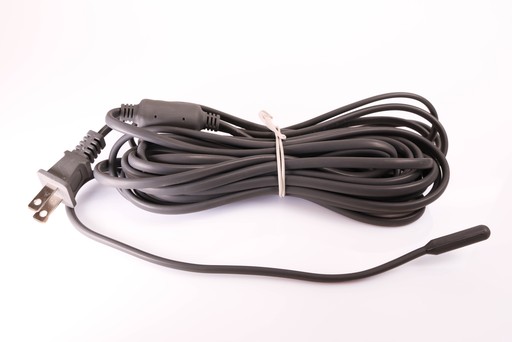
Temperature Gradients Not For Every Species Heating Cable (25W) A 25W cable, approximately 16 feet long, for creating a temperature-gradient across the nest. Temperature Gradients Thermo-regulation is one of the primary reasons ants construct nests, and different members of a colony do best at different temperatures. Running the cable along specific parts of the nest creates a temperature gradient, so the ants can choose the best conditions for each colony member. Thermostat Control We recommend pairing the cable with a thermostat to keep the heated area at a set temperature. Setting Up A Gradient Four steps, in order, from our own care tips. 1 Run it along one side. Keep on only one part of the nest. This creates a temperature-gradient between the cool and heated sides. 2 Take things slow. Set it up and watch how the ants react over the coming days. 3 Re-arrange as you learn. Over time you will get a sense of what temperature conditions your colony prefers, and you can move the heating to better accommodate them. 4 Room-temp is survivable. 120°F+ is not. Your ants will be fine if they are kept cooler than optimal. If it gets too hot, the entire colony can perish. Read the full care tips →
Syringe with Blunt-Tip Needle
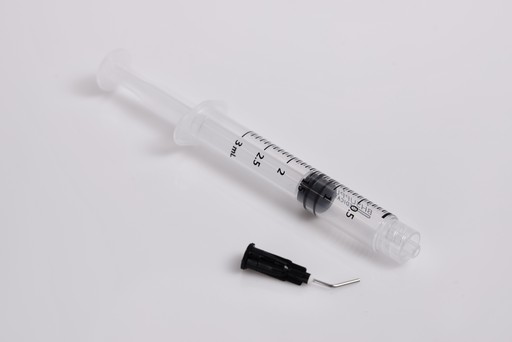
5ml Capacity Blunt-Tip Safety Needle Water or Liquid Food Ships with Every TJL Nest Syringe with Blunt-Tip Needle A 5ml plastic syringe with a blunt-tip safety needle, for adding water to your ants' nest or dispensing liquid foods with precision. Included for free on all orders with a TrapJaw Labs nest. Watering Nests The syringe is what all TrapJaw Labs nests are designed to be watered with. Carbohydrates Honeydew Honey should be diluted in its included mixing vial before feeding. After mixing, you can optionally use a syringe to carefully dispense it. Make sure to clean the syringe afterwards. Where it's used Included with any TrapJaw Labs nest. Substratum Sand Ant Nest Included Four watering ports, each requiring a syringe to fill. Arboreal Ant Nest Included Specialty PVA sponge that a syringe can optionally be used to water.. Honeydew Honey Optional Dilute it in the mixing vial, then place a drop on a feeding dish. Feeding Dish Optional White reusable dish, compatible with all food types.
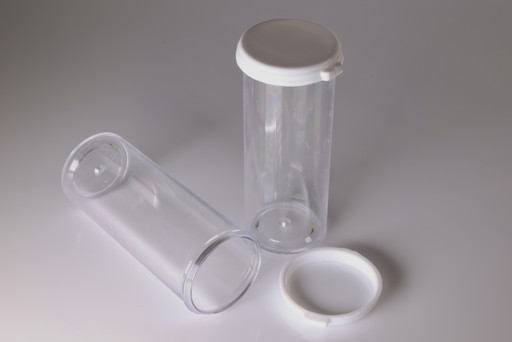
Collection Vials
Three Sizes Snap Cap Fits Most Aspirators Clear Plastic Collection Vials Clear, plastic vials for any ant, and hopefully queen, you need temporarily contained. Sizes and Caps The 15ml and 50ml vials both come ten to a pack with screw caps, the 15ml on a conical base and the 50ml freestanding. The 9 dram vials come five to a pack, freestanding with a snap cap, and fit most insect aspirator models. On-Hand Stick with the hobby long-enough, and you'll eventually stumble upon a queen with no way to collect her. It happens to the best of us. Collection vials enable you to keep a vial in your backpack, car's glovebox, your pocket, etc. so that you have something when needed.
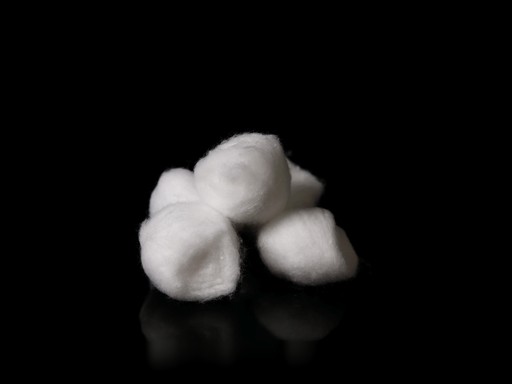
Cotton Balls
High quality, organic cotton balls for use with test tubes. These plug the opening of the tube, keeping ants contained while allowing airflow — the same cotton balls we use for all of our test tube colonies, and a perfect fit for our standard 16mm test tubes . Recommended Accessories 16x150mm Test Tubes The standard tube size across all TrapJaw gear. These cotton balls are sized to fit them. Required Test Tube Sponges Seals the water reservoir at the back of the tube. Pair with a cotton plug at the opening for a complete setup. Optional TubeDock Keeps tubes from rolling and connects them to nests and foraging areas via vinyl tubing. Optional
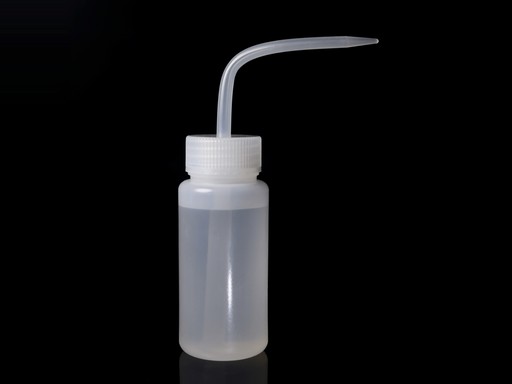
Wash Bottle
Wash bottles are used to moisturize nests, fill test tubes, and replenish liquid feeders more efficiently than syringes. Wash bottles are a mainstay in entomology laboratories and arthropod zoos, and can seriously upgrade your care routine. Our bottles are made of LDPE material and hold 250 ml of liquid.
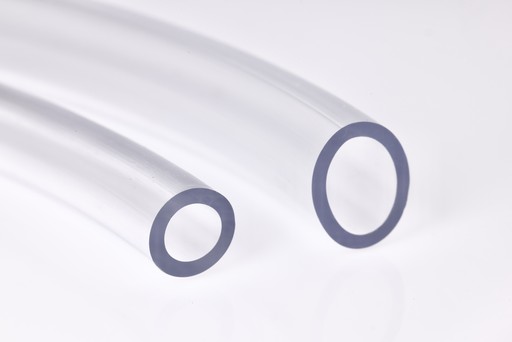
Vinyl Tubing
Fits AntDocks Transparent and Markless 12" and 48" Sections Vinyl Tubing Flexible, transparent vinyl tubing can be optionally used to join one setup to the next. Sometimes that’s a TrapJaw Labs Nest to a Foraging area, one Foraging Area to another, or whatever else you might want. Two Port Sizes Sections are sold in 3/8" and 1/2" outer diameters, the two AntDock port sizes used across TrapJaw Labs gear. What It Connects All AntDock ports can optionally be used with vinyl tubing. Nest Moves Join the old nest to the new let your ants relocate on their own schedule, which is what our nest-moving guide suggests. Transparent and Markless Every section is clear and carries no printed markings, so traffic between two setups stays visible end to end. Sizes and Lengths Four options in total, two outer diameters in two lengths. Outer Diameters 3/8" and 1/2" Inner Diameters 1/4" and 3/8" Nest and Outworld Ports AntDock, both sizes Test Tube Compatibility 1/2” tubing with TubeDock Every TrapJaw Labs Nest ships with AntDock ports, meaning they're optionally compatible with this vinyl tubing. Need a custom length? Want to make sure you can use this tubing to move your ants out of their current setup? Contact us.
Ant Stickers
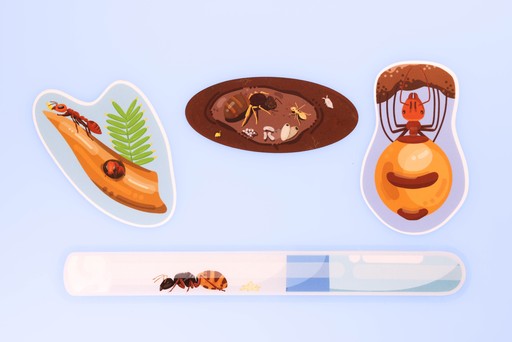
Four Designs White Backing Ant Stickers Four ant stickers designed by Jen Schlauch, drawn specifically for ant-keeping enthusiasts like us. Sizing Each sticker is approximately 2” in length, except for the Carpenter Ant sticker which is approximately 7”. Drawn From Behavior None of these are generic drawings or thoughtlessly made. Every design is a particular ant species at a particular stage in life. The Four Designs What each illustrates. Acacia Ant A Pseudomyrmex worker walking down a swollen acacia thorn, with its yellow-tipped Beltian bodies, and a second ant peaking out the nest entrance. Lasius and Friends A Lasius queen in her founding chamber with both the ant lifecycle and some fun mutualistic arthropods in the mix. Honeypot Ant A Myrmecocystus replete hanging from the ceiling, her gaster distended with the sugars she stores for her colony. Carpenter Ant Queen A Camponotus queen with eggs in her TrapJaw Labs test tube setup.
Flexible Pipette
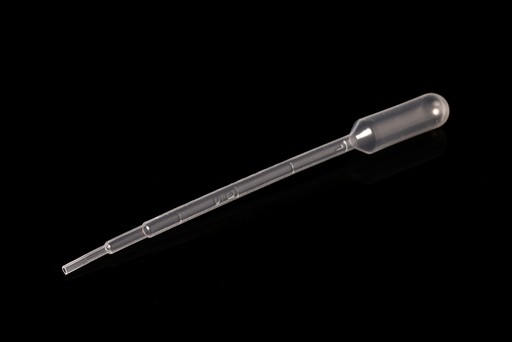
Flexible pipettes are used to dispense small amounts of liquids, such as honey-water onto a feeding dish, or sugar-water into a liquid feeder. Pipettes may also be used to moisturize a formicarium. Includes a set of 3 pipettes, each with a capacity of 1ml and made of LDPE plastic material.