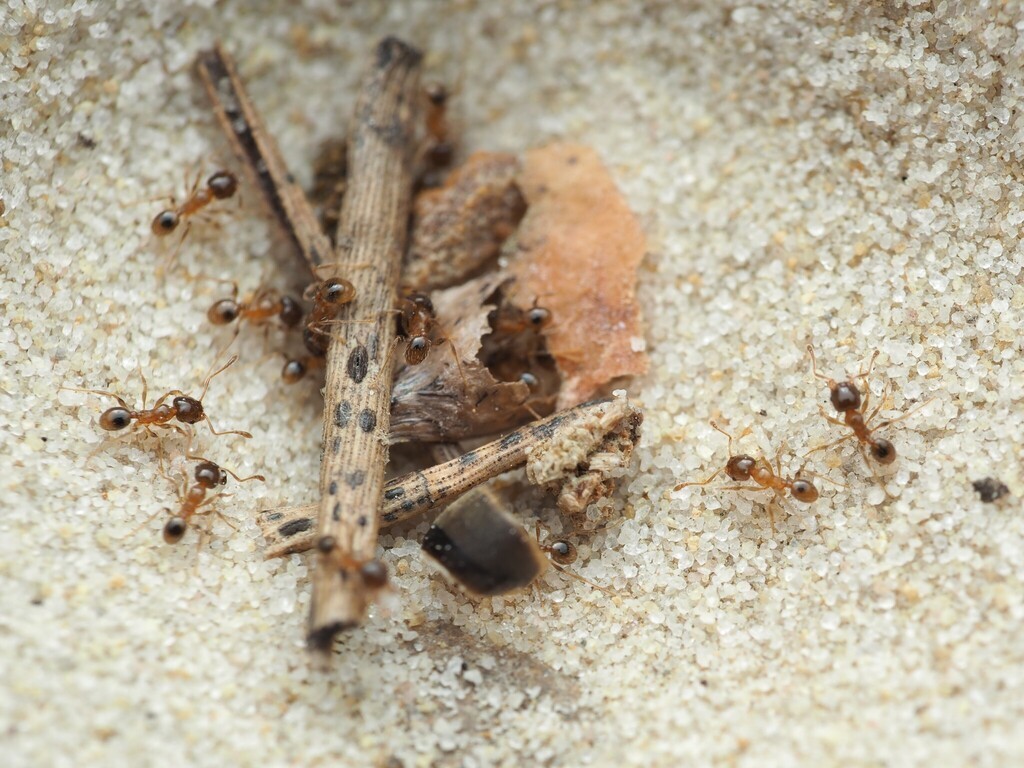
Best Beginner Ants?
"Beginner-friendly" gets used a lot in the ant-keeping world. Yet few agree on what it should mean.
Here's our definition: The species tolerates a range of temperature and humidity, any diapause it needs is short and simple to run, and it grows fast enough that you don't lose interest waiting.
Here are five that fit those criteria. This list is written for a broad audience, but which exact species we recommend will often be heavily influenced by your state of residence.
1. Pheidole bicarinata
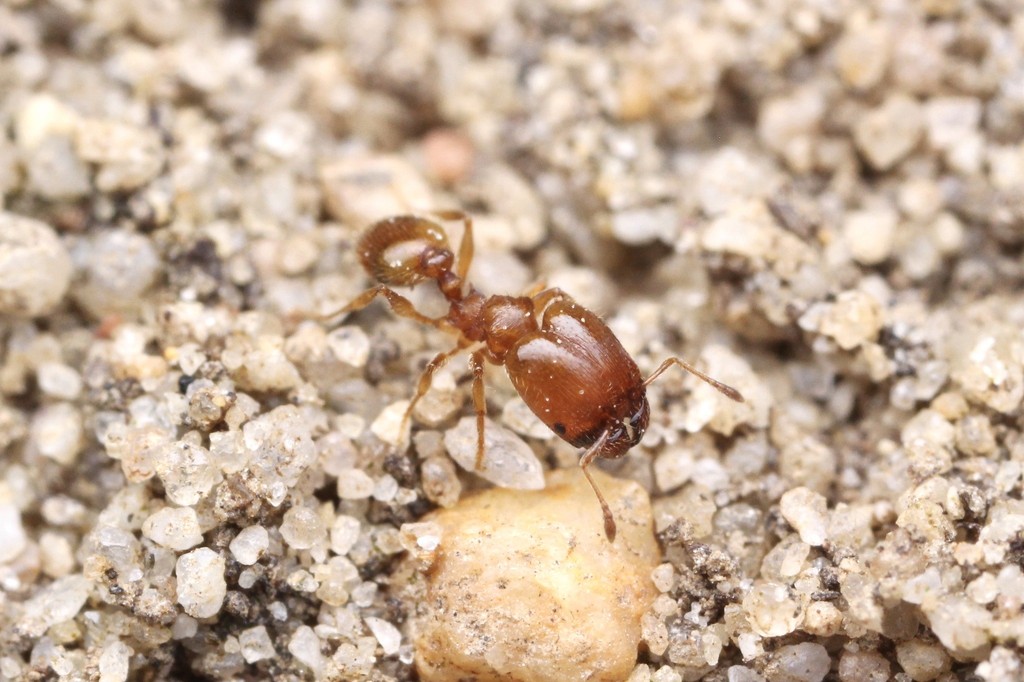
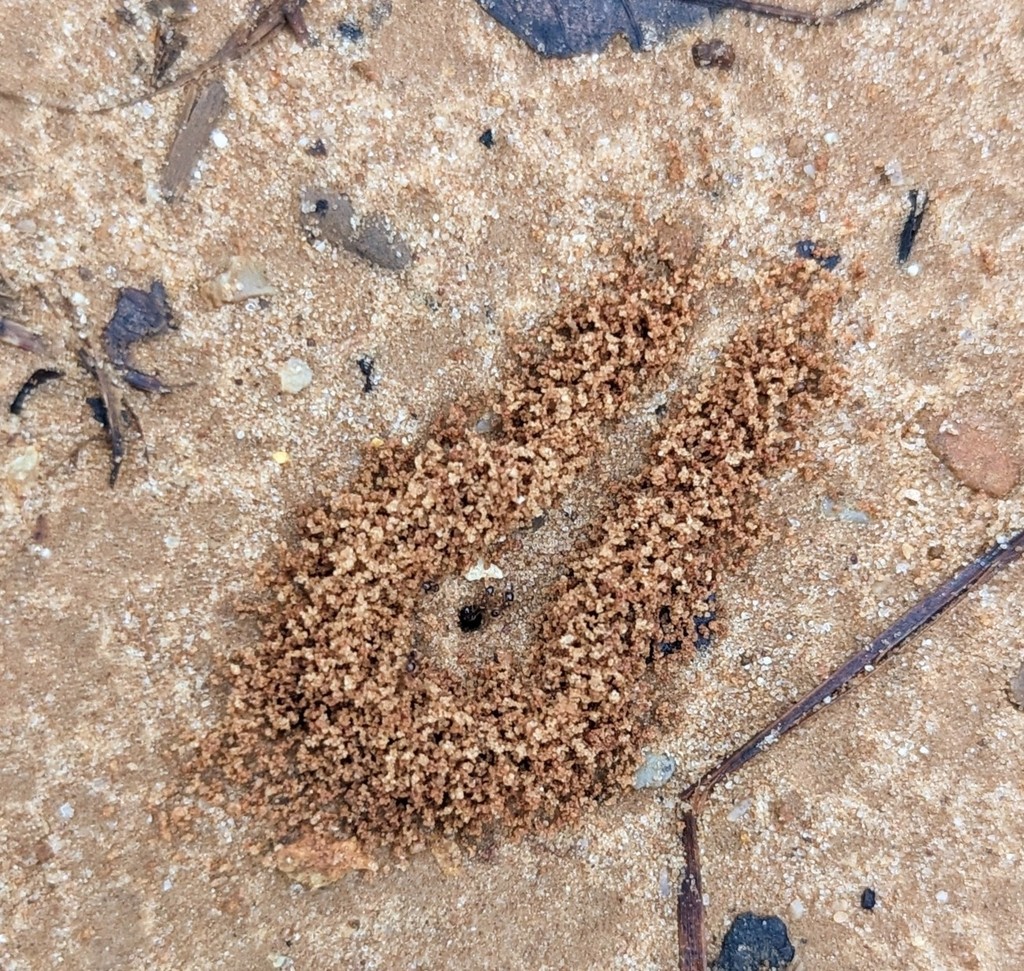
Pheidole bicarinata, the "Variable Big-headed Ant", is about as forgiving as North American ants get. They're generalists that make do across a wide range of conditions, they grow fast, and no diapause is needed. Protein two to three times a week is recommended, but these ants are fairly good at adapting to whatever feeding schedule they're on!
The big-headed caste that makes this species worth keeping typically doesn't show up until the colony has 50–100+ workers.
2. Pogonomyrmex occidentalis
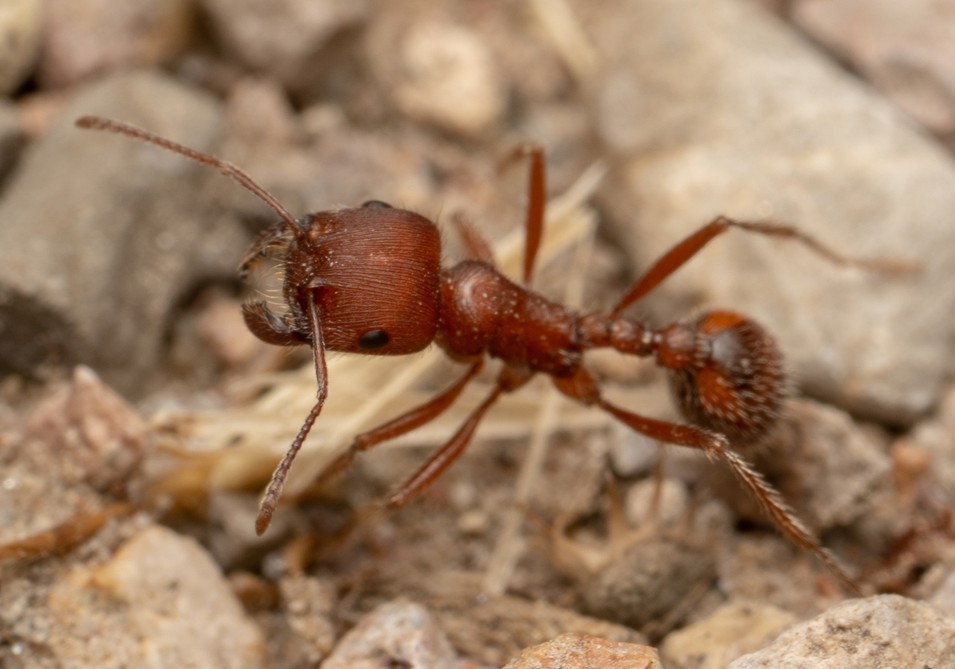
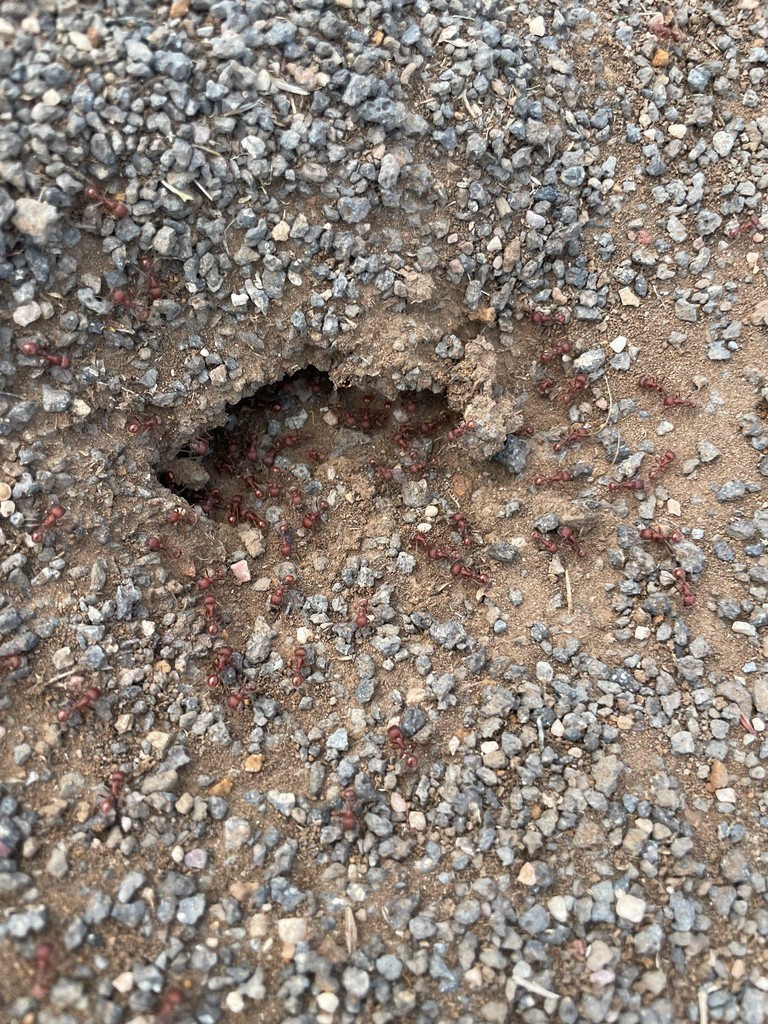
Pogonomyrmex occidentalis, the "Western Harvester Ant", is one of the most easy-going harvester ants you can keep. It was the first species deregulated for interstate transport in the contiguous United States, Florida excepted, which puts it within reach of keepers who can't legally receive much else.
They're strictly diurnal and they build impressively. They do want heat alongside a humid section of the nest, for the brood and for softening seeds, which is why we point people at a Substratum nest. Whether or not they diapause, and for how long, is largely dependent on the collection population.
3. Trachymyrmex septentrionalis
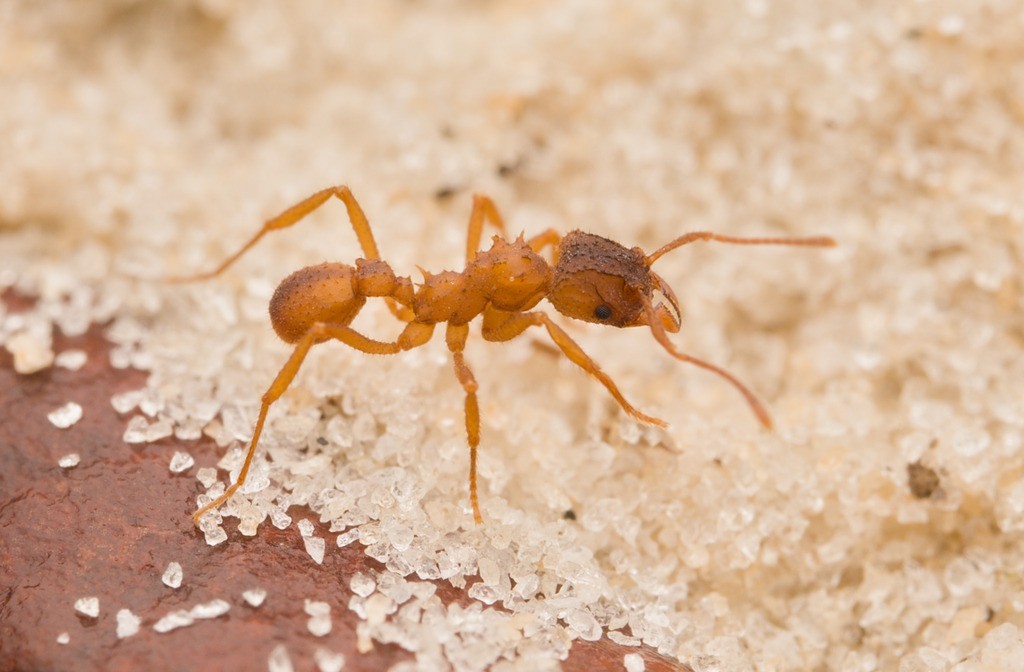
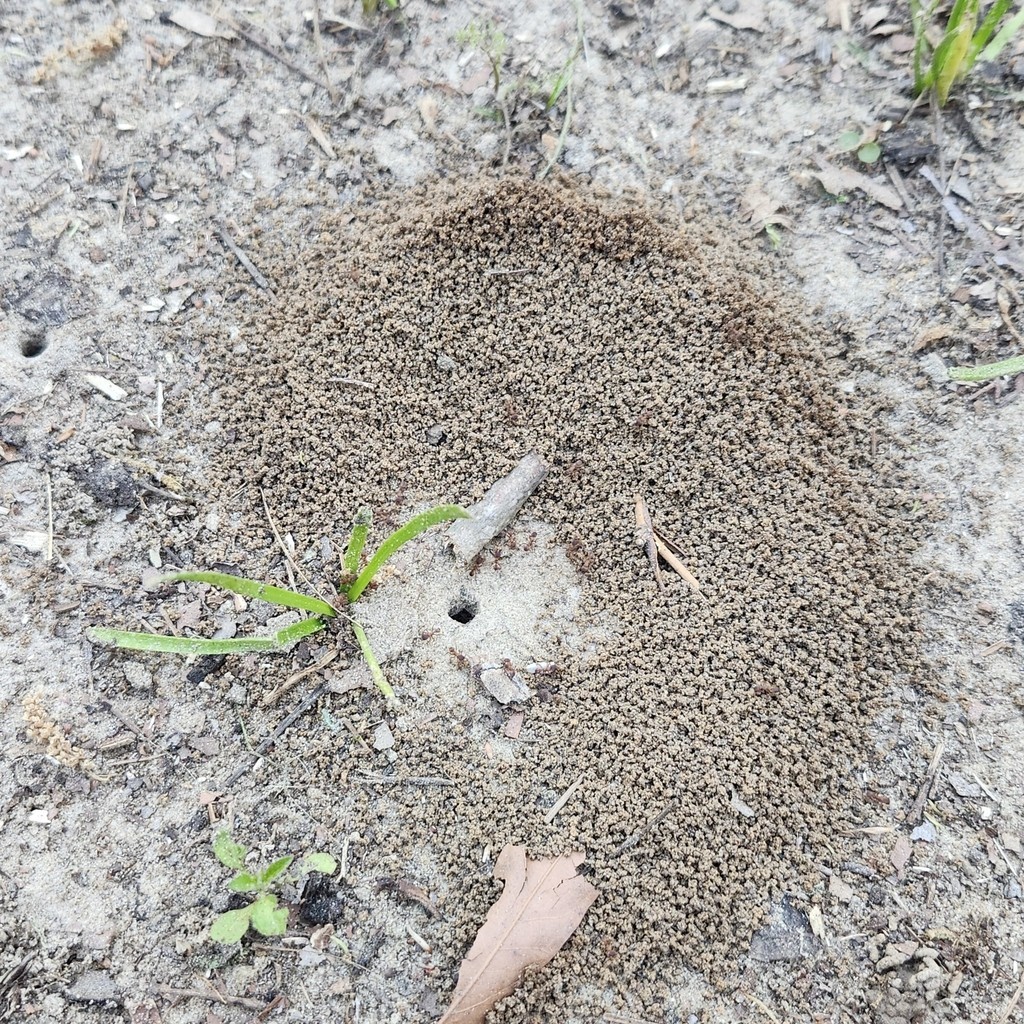
Trachymyrmex septentrionalis, the "Northern Fungus-farming Ant", is the most unusual on this list and, somewhat surprisingly, one of the easiest. What you're really keeping is the fungus garden they grow. Offer plant detritus or dried leaves once a week, keep the nest humid, and the ants handle the rest.
The humidity needs to stay consistently high. Temperature is far more forgiving: room temperature is fine, and we'd skip the heat cable, because supplemental heat tends to put condensation in the nest. Florida populations, which is where we collect ours, don't diapause. Colonies from elsewhere do, and they'll show you when by shrinking the garden down to a few small pellets and stopping brood production.
4. Camponotus castaneus
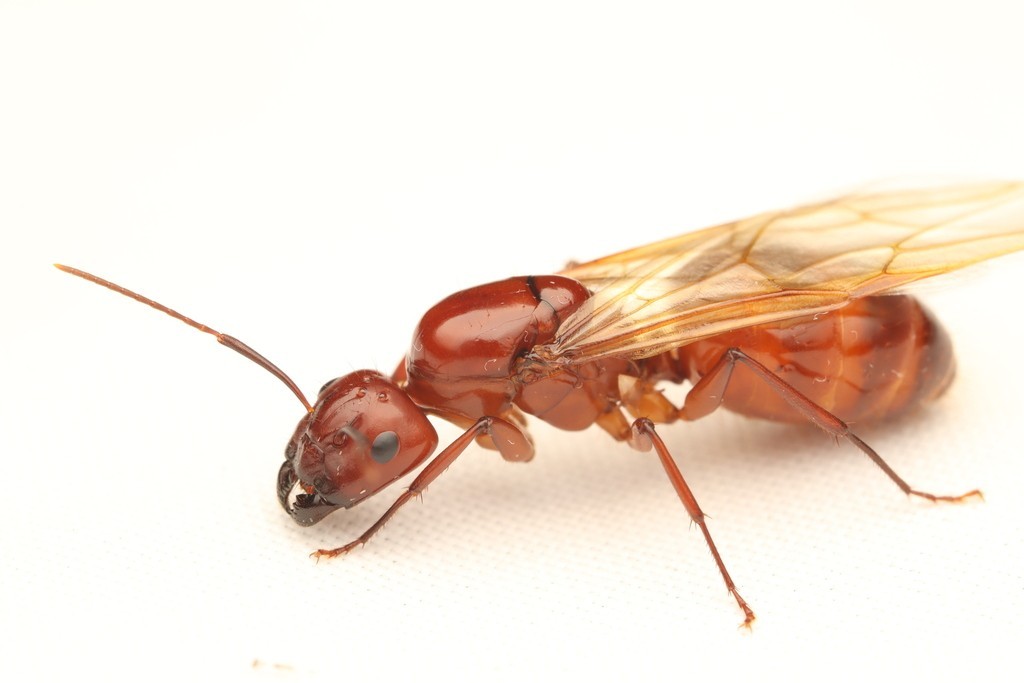
Camponotus castaneus, the "Chestnut Carpenter Ant", is a big one: dark red-orange, with a real major caste. They're comfortable at room temperature, and carbohydrates are the priority, so keep a liquid feeder stocked at all times. Protein stays a small weekly item, because Camponotus spp. carry a gut symbiont that supplements their diet.
This species wants a humid nest, unlike most North American Camponotus spp. Our colonies are sourced from the southeast and only need a short diapause of around 3–4 weeks, while northern colonies typically need longer. The colony grows very slowly at first, but the size of these ants tends to keep people interested while they wait.
5. Veromessor pergandei
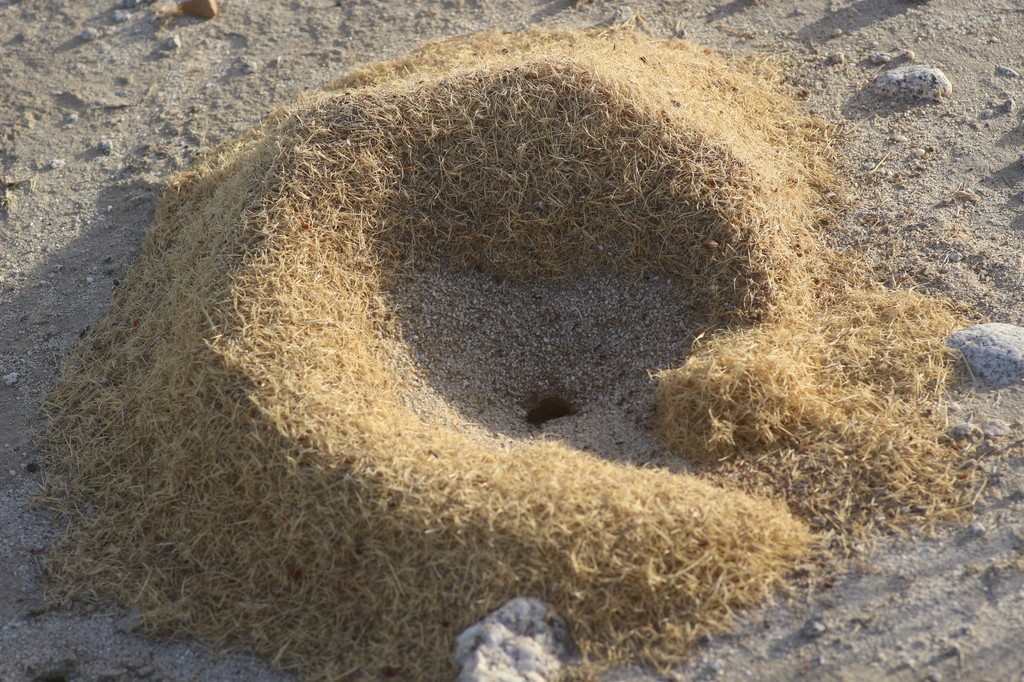
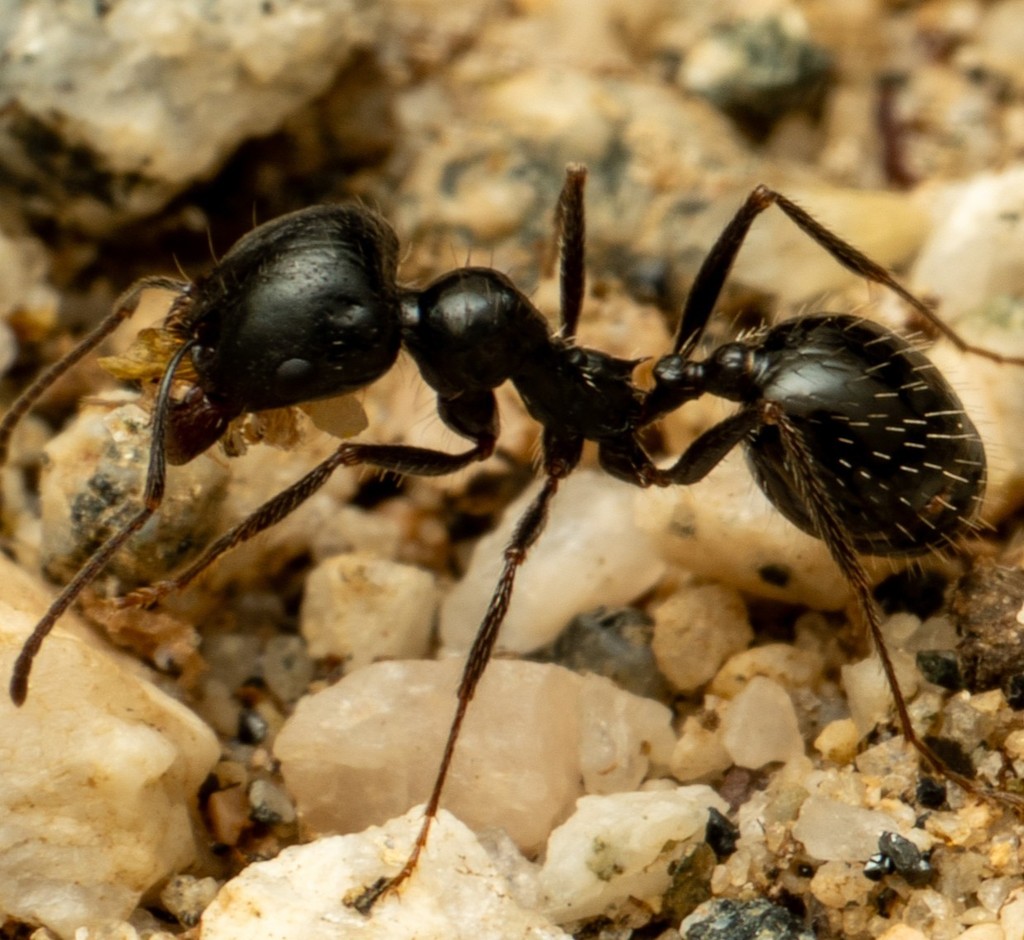
Veromessor pergandei is the harvester we'd suggest to anyone nervous about a sting, because they can't sting at all. What you get instead is a polymorphic worker force, large colonies, and potentially polygyny!
Requirements look a lot like P. occidentalis: a hot gradient with a humid section, protein once or twice a week, and seeds weekly. A diapause usually isn't required, though activity tends to slow through the winter. It's also the most restricted species on this list: right now we can only ship it to Arizona, California and Nevada.
So Which One?
The best first colony is often the one you catch yourself. We strongly encourage all first-time hobbyists to catch their first queen/colony themselves, if they can.
Regardless, any of these five will treat a new keeper well. Our state pages show which of them we can ship to you. If you want to learn more about a specific species' care, check out the Care Advisor.