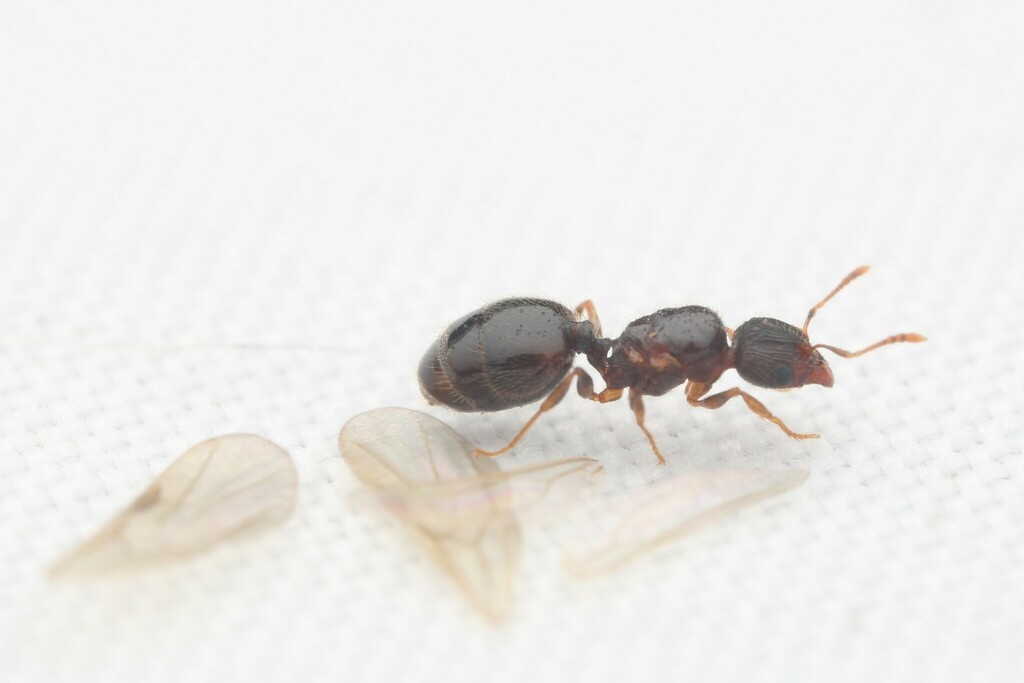
How To Find And Catch A Queen Ant After A Nuptial Flight
Catching your own queen is free, it's how a lot of colonies in this hobby got their start, and it's the route we'd most like to see new ant-keepers take. This guide walks you through when queens fly, where they land, how to blacklight for them, what to bring, and how to get your queen home safely.
When To Look
Most species fly on only a handful of days a year.
A nuptial flight is when all the colonies, of the same species, in a particular area send out their virgin queens and males to mate on the wing. Once mated, queens land, drop their wings and go looking for somewhere to dig. That short window, between landing and disappearing into their founding chamber, is when you catch them.
The season depends on where you live. In our Southeastern flight records, May through July hold nearly two-thirds of the records, and June is the busiest month. However, something flies in every month. Camponotus queens turn up at porch lights in the first warm months of the year, and a few species hold off until fall. Further north, the season typically starts later and finishes sooner.
The weather matters far more than the month or date. Warm, humid, still evenings after rain are the classic window. For a lot of species, rain is the trigger, since damp soil is far easier for a new queen to dig into. Some fly the evening it rains, others the next morning, but wind or a cold snap can stop a flight that would have otherwise taken place.
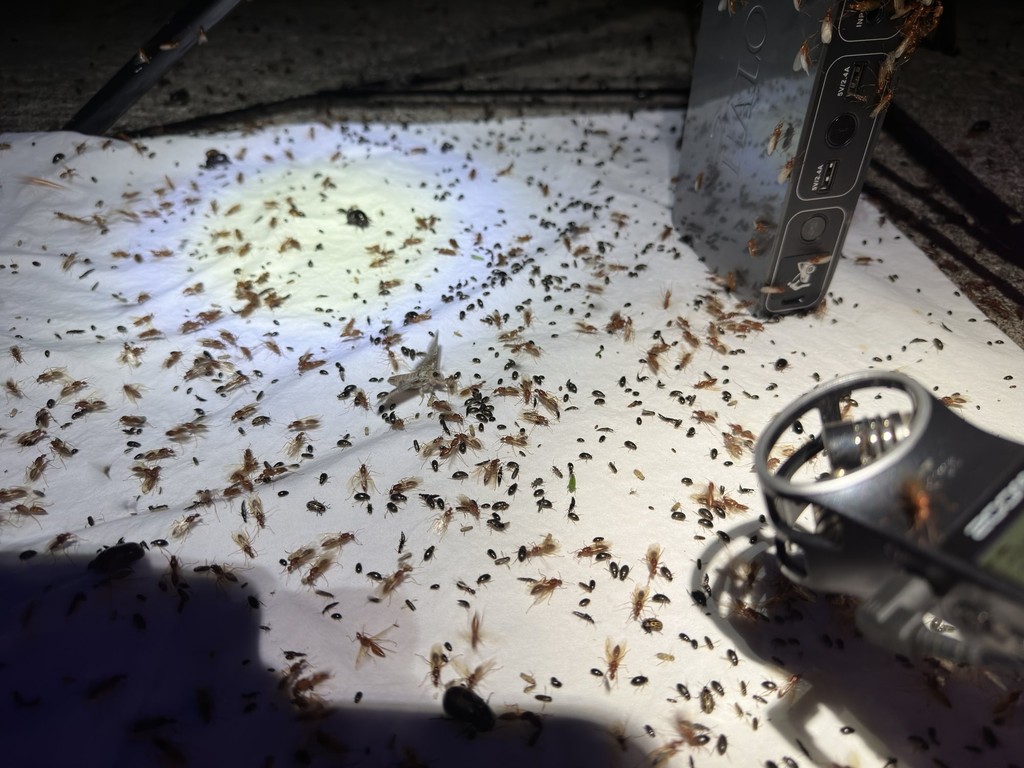
Where To Look
Queens are truly all over the place. They are not the most agile of fliers, usually, and so they can often litter the ground when they have finished mating.
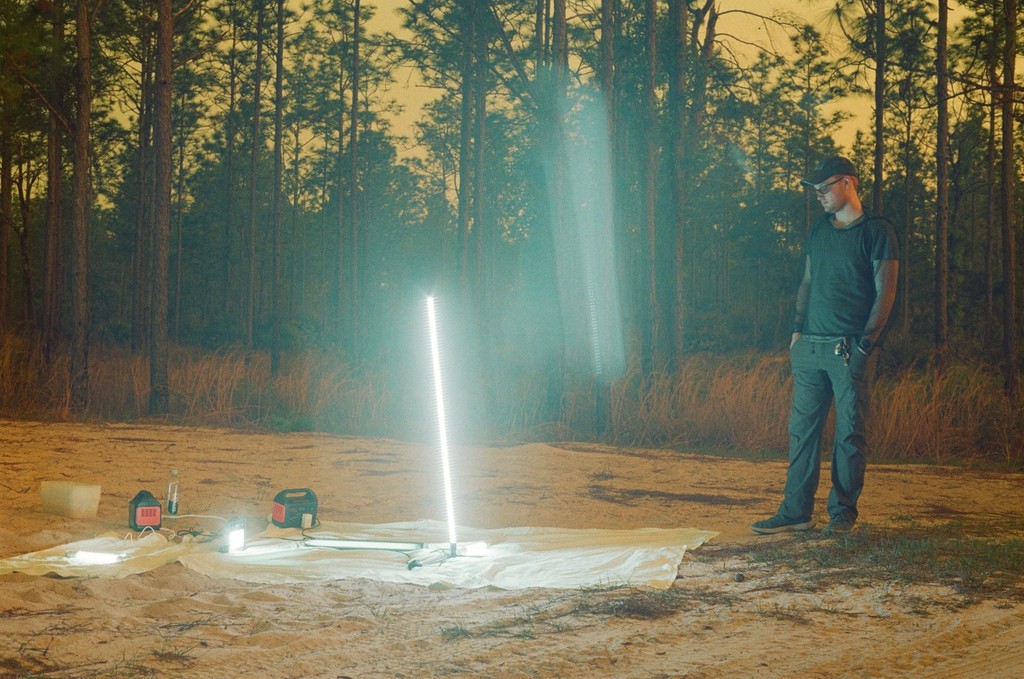
Lights: Porch lights, gas stations, storefronts and parking lot lights all draw queens, especially near woods or fields. Check the wall around the light and the ground underneath it, since queens often land close by, drop their wings and walk off. Don't forget, though, many of the ants you see in these areas will be males. They are attracted to lights just like queens are.
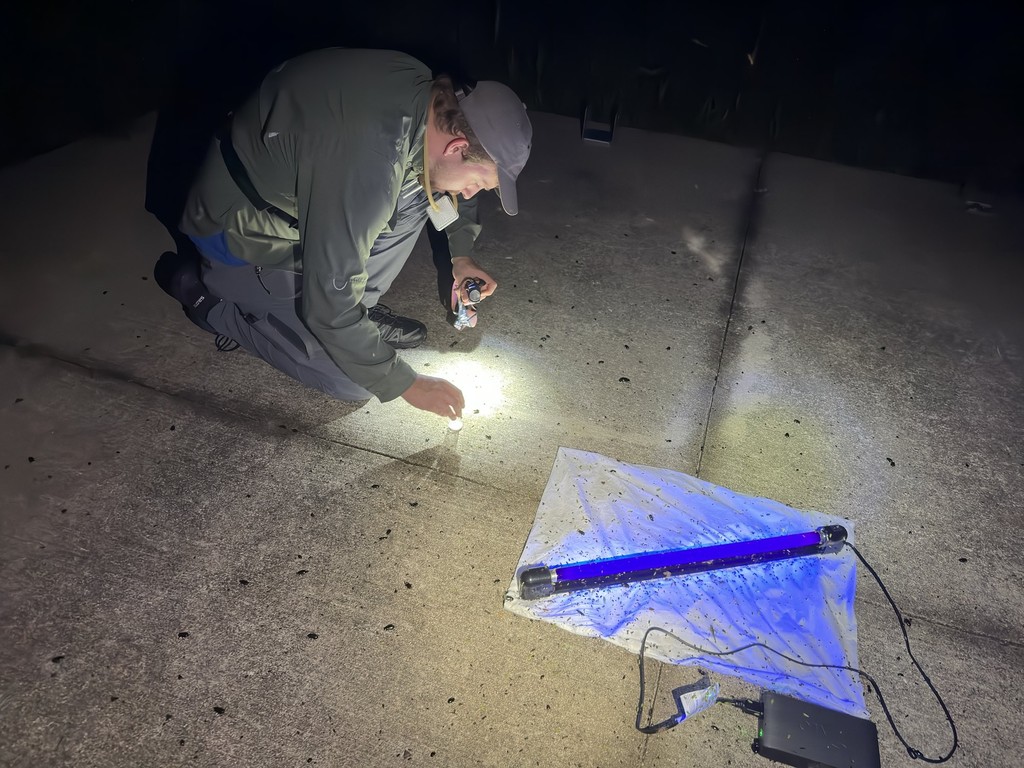
Blacklights: If your target species flies at the right time of day, a UV light can be immensely successful in catching them. Queens often land short of the sheet and wander off, so check the ground around it with a flashlight too.
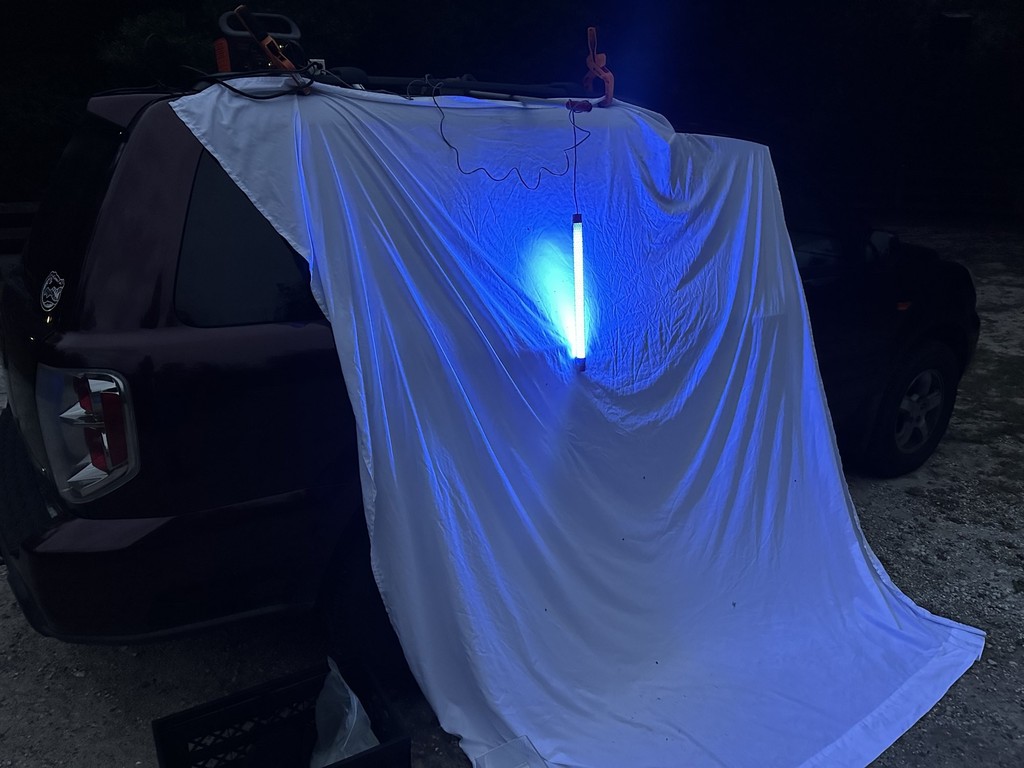
Pavement: The morning after a flight, walk around sidewalks, driveways and parking lots. A large ant running alone across open concrete is usually a queen.
Water: Queens aren't graceful fliers, and plenty of them end up in pools. Check the surface of the water for queens that have gotten stuck there.
What To Bring
You don't need much, but you want it on you before queens start landing.
It's quite a stressful moment when a queen turns up if you have nothing to put her in. We know what that experience is like all too well. Keeping a few vials in your car, and your bag, throughout the flight season is an ant-keeping must.
Getting Them Into A Vial
Handle her as little as you can and be extremely gentle.
We prefer to lay an open vial in front of the queen and nudge from behind with a leaf or the cap until the queen walks in. Ideally, she'll walk in all on her own, and sometimes they do, but usually we're not so lucky.
While you can sometimes collect queens together, by putting multiple in a vial or other container together, we advise you keep them by themselves whenever possible. In some species, the queens will fight to the death on contact with another queen. It's usually an unnecessary risk.
Then get them home and set up ASAP. Time matters for freshly caught queens, and every hour they spend in a vial hurts their chances of success later on.
After The Catch
Get your queens into a test tube setup, then leave them alone.
Most species need nothing more than somewhere dark, warm and quiet. A few have to be fed while they found, which is one more reason to work out what you caught first. How Long Until My Queen Has Workers? covers which is which, and what to expect while you wait.