
TrapJaw Labs
The Substratum
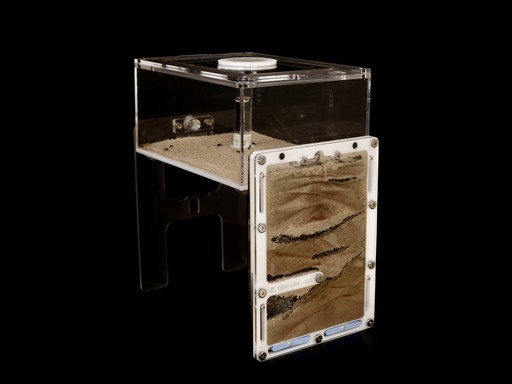
TrapJaw's Substratum™ Nest
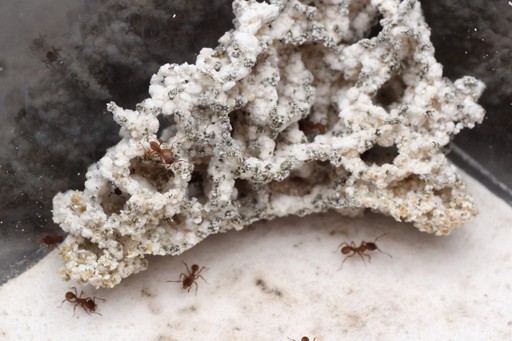
Natural excavation. Engineered control. Most formicaria offer either a natural digging environment or a clear, manageable view of the colony. Substratum was designed to provide both. Your ants excavate their own tunnels and chambers inside a professionally developed substrate-based system, built around the way ants live in the wild.
Foraging Area Included Engineered Sandy Substrate Regional Watering Ports Four Spacer Choices Standing or Shelf Configuration
Spacers
Choose from four widths or follow the recommendation for your selected species. The spacer sets how much depth the ants have to dig. A thinner spacer improves visibility, but that means that they are more restricted in nest construction and overall capacity. Ultimately, the choice is yours!
Engineered Substrate
After nearly two years of testing, we’ve settled on the perfect mix. Our substrate has improved structural properties, retains moisture, and stays off the panel so you have an unrivaled view into the ants’ underground world.
Regional Watering & Humidity Control
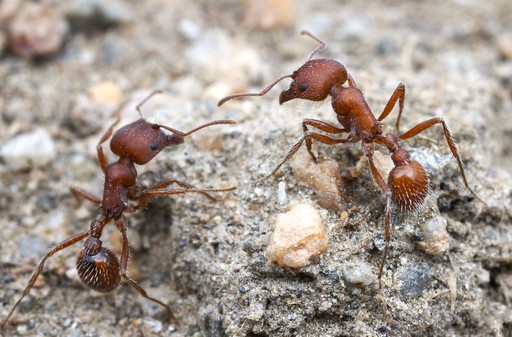
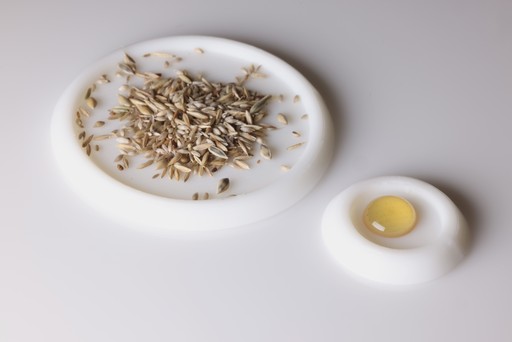
Four regional watering ports let you create moist and dry areas throughout the nest, allowing the colony to choose the conditions they need for different types of chambers. For example, you can watch as your harvester ants store their seeds in a dry granary, while lower chambers are reserved for moisture-loving eggs and larvae.
PVA sponges provide humidity into the lower chambers, where the queen is likely to settle in.
Versatility
Substratum may be configured to stand upright on the included legs, or mounted to a shelf with the included 3M velcro dots for an immersive viewing experience. Additionally, a separate nest module can be purchased for a double-nest configuration on a single foraging area.
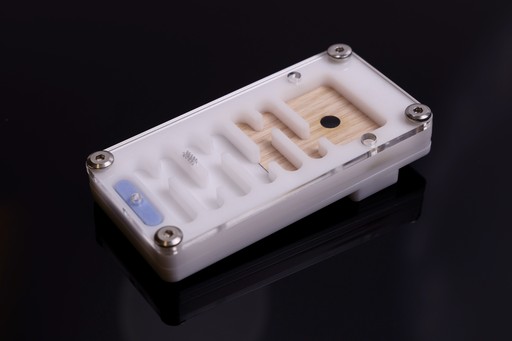
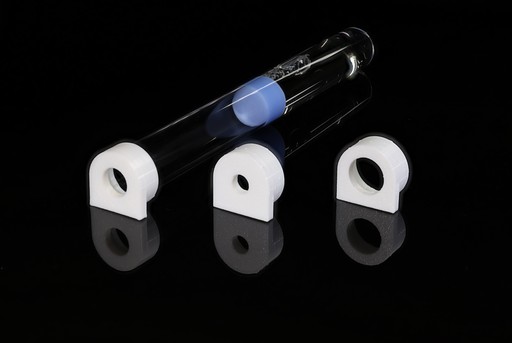
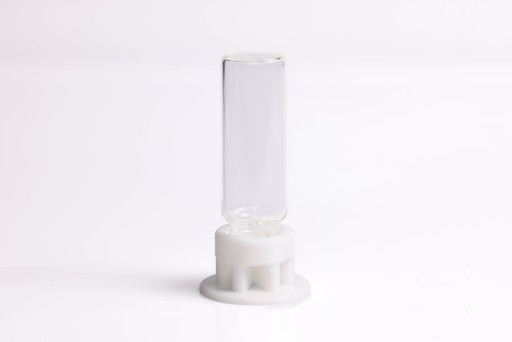
The nest ships with 3/8" and 1/2" AntDock ports and a 16mm TubeDock, so the setup can grow with the colony. Run vinyl tubing out to another foraging area, place a standard 16x150mm test tube straight into the foraging area, or close a port off entirely with the included AntDock blocker.
Approximate Dimensions
Nest: 5.75" long, 7.75" tall, variable width
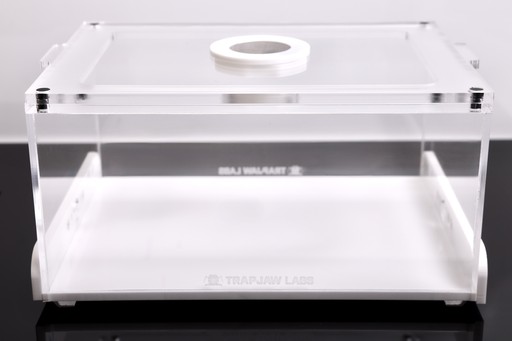
Included Medium Foraging Area: 8" long, 6" wide, ~4.5" tall
Assembled (standing): 9.5" long, 6" wide, 11" tall
What’s in the box
1×Nest w/ Insert
1×Medium Foraging Area
1×Legs(Standing Configuration)
2×3M Velcro Dots(Shelf Configuration)
1×Bag of Substrate
1×Plastic Funnel
2×Heating Cable Clips
•Hex Wrench & Foraging Area Attachment Screws
•3/8" & 1/2" AntDock Ports
1×AntDock Blocker
1×16mm TubeDock
1×Syringe with Blunt-Tip Needle
1×Instruction Card
Recommended accessories
Liquid Feeder or Test TubeRequired
Your ants need fresh drinking water in the foraging area.
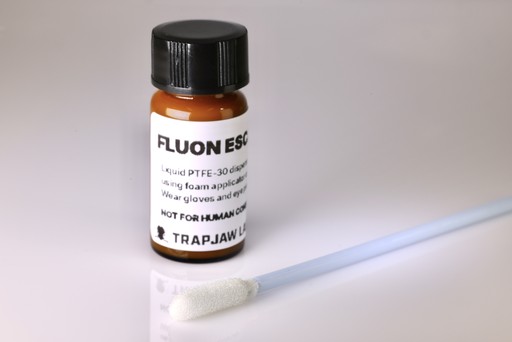
Fluon Escape BarrierOptional
Extra insurance against escapes while you work in the foraging area.
Heating CableOptional
Some species grow faster with supplemental heat. Clips are in the box.
This nest is cut for 110 ant species across 21 genera. Substrate nests work best when the spacing between viewing panels is just right: this dictates how much room the ants have to build (and hide in!). The Substratum comes in 5 spacer sizes to provide unmatched visibility and customization in a substrate nest. The ideal spacer size is ultimately up to the keeper -- would you like a nest with greater capacity or a thinner spacer with guaranteed visibility? The choice is yours!
Species and size fits
Acromyrmex (1 species) — fits Large+ Medium Foraging Area–Extra Large+ Medium Foraging Area: versicolor
Aphaenogaster (4 species) — fits Medium+ Medium Foraging Area–Extra Large+ Medium Foraging Area: ashmeadi · floridana · occidentalis · treatae
Brachymyrmex (3 species) — fits Small+ Medium Foraging Area–Extra Large+ Medium Foraging Area: depilis · obscurior · patagonicus
Camponotus (9 species) — fits Medium+ Medium Foraging Area–Extra Large+ Medium Foraging Area: americanus · castaneus · festinatus · fragilis · ocreatus · sansabeanus · semitestaceus · socius · vicinus
Crematogaster (1 species) — fits Small+ Medium Foraging Area–Extra Large+ Medium Foraging Area: missouriensis
Dorymyrmex (5 species) — fits Small+ Medium Foraging Area–Extra Large+ Medium Foraging Area: bicolor · bureni · flavopectus · flavus · insanus
Forelius (2 species) — fits Small+ Medium Foraging Area–Extra Large+ Medium Foraging Area: mccooki · pruinosus
Formica (8 species) — fits Medium+ Medium Foraging Area–Extra Large+ Medium Foraging Area: dolosa · incerta · montana · neogagates · pallidefulva · perpilosa · subsericea · vinculans
Lasius (6 species) — fits Small+ Medium Foraging Area–Extra Large+ Medium Foraging Area: americanus · brevicornis · claviger · neoniger · pallitarsis · sitiens
Monomorium (3 species) — fits Small+ Medium Foraging Area–Extra Large+ Medium Foraging Area: carbonarium · ergatogyna · viridum
Myrmecocystus (10 species) — fits Large+ Medium Foraging Area–Extra Large+ Medium Foraging Area: kennedyi · mendax · mexicanus · mimicus · navajo · placadops · semirufus · tenuinodis · testaceus · wheeleri
Novomessor (2 species) — fits Large+ Medium Foraging Area–Extra Large+ Medium Foraging Area: albisetosus · cockerelli
Nylanderia (5 species) — fits Small+ Medium Foraging Area–Extra Large+ Medium Foraging Area: arenivaga · bourbonica · flavipes · parvula · phantasma
Odontomachus (4 species) — fits Medium+ Medium Foraging Area–Extra Large+ Medium Foraging Area: Desertorum · brunneus · clarus · haemotodus
Pheidole (22 species) — fits Small+ Medium Foraging Area–Extra Large+ Medium Foraging Area: adrianoi · barbata · bicarinata · californica · carrolli · denata · desertorum · hyatti · lamia · littoralis · metallescens · milliticida · morrisii · obscurithorax · obtusospinosa · pilifera · rhea · spadonia · tepicana · tysoni · vistana · xerophila
Pogonomyrmex (10 species) — fits Medium+ Medium Foraging Area–Extra Large+ Medium Foraging Area: badius · barbatus · californicus · comanche · desertorum · maricopa · occidentalis · rugosus · salinus · subnitidus
Prenolepis (1 species) — fits Small+ Medium Foraging Area–Extra Large+ Medium Foraging Area: imparis
Solenopsis (8 species) — fits Small+ Medium Foraging Area–Extra Large+ Medium Foraging Area: aurea · carolinensis · geminata · invicta · krockowi · molesta · pergandei · xyloni
Tetramorium (1 species) — fits Small+ Medium Foraging Area–Extra Large+ Medium Foraging Area: immigrans
Trachymyrmex (2 species) — fits Medium+ Medium Foraging Area–Extra Large+ Medium Foraging Area: arizonensis · septentrionalis
Veromessor (3 species) — fits Medium+ Medium Foraging Area–Extra Large+ Medium Foraging Area: andrei · pergandei · stoddardi
Not sure which species you have? Browse the species care library, see the rest of our nests and habitats, or check what we can ship to your state.