Ant Colonies We Ship to Connecticut
10 of our 46 ant species can ship to Connecticut. USDA-APHIS makes live-ant shipping a state-by-state matter — each species needs a PPQ 526 permit for each destination state — so here is exactly how Connecticut shakes out.
What we ship to Connecticut (10)
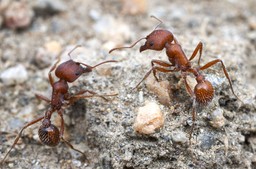 Care guidePogonomyrmex occidentalis$39.99
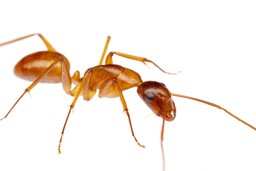 Care guideCamponotus castaneus$29.99 · restocks Nov 1, 2026
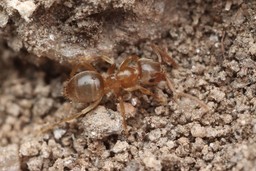 Care guideLasius pallitarsis$39.99 · restocks Nov 1, 2026
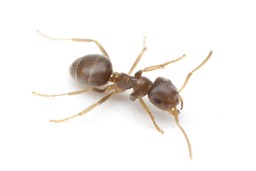 Care guideLasius neoniger$29.99 · restocks Mar 1, 2027
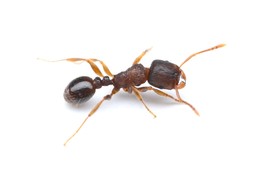 Care guideTetramorium immigrans$29.99
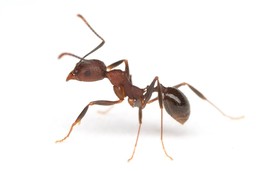 Care guideAphaenogaster fulva$29.99
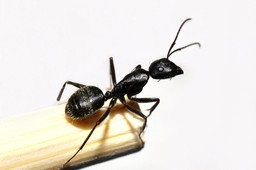 Care guideCamponotus pennsylvanicus$29.99
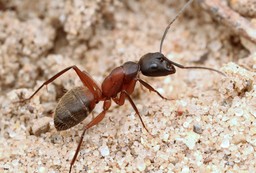 Care guideCamponotus chromaiodes$34.99
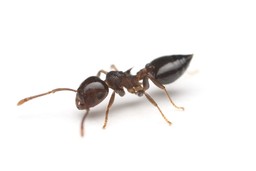 Care guideCrematogaster cerasi$39.99
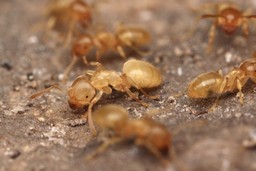 Care guideLasius brevicornis$24.99
What we can't ship — and why
36 of our species can't cross the Connecticut line. USDA-APHIS requires a PPQ 526 permit per species, per destination state; these aren't currently approved for Connecticut: Trachymyrmex septentrionalis, Pheidole bicarinata, Solenopsis carolinensis, Myrmecocystus mimicus, Pogonomyrmex barbatus, Veromessor pergandei, Camponotus modoc, Myrmecocystus mexicanus, Dorymyrmex bureni, Pseudomyrmex pallidus, Camponotus floridanus, Pheidole morrisii, Solenopsis pergandei, Pogonomyrmex badius, Pheidole dentata, Crematogaster minutissima, Pheidole lamia, Solenopsis xyloni, Pogonomyrmex maricopa, Dorymyrmex insanus, Odontomachus brunneus, Nylanderia arenivaga, Pheidole littoralis, Pheidole metallescens, Solenopsis geminata, Temnothorax pergandei, Forelius pruinosus, Novomessor cockerelli, Colobopsis impressa, Acromyrmex versicolor, Pogonomyrmex rugosus, Pogonomyrmex californicus, Myrmecocystus navajo, Camponotus decipiens, Camponotus snellingi, Camponotus discolor. You can still read their care guides — and rules change as permits are granted.
The list of species we can ship to Connecticut is short, but it is short in a useful way: almost everything on it is genuinely cold-hardy, and most of it is the woodland and lawn fauna New Englanders already know. Camponotus pennsylvanicus, the black carpenter ant of hardwood forests statewide, and Lasius neoniger, the turf ant behind the Northeast's big late-summer nuptial flights, both ship here, along with Camponotus chromaiodes and three Lasius species in total. The trade-off is real: warm-climate favorites like Camponotus floridanus cannot ship to Connecticut, and every Pogonomyrmex except Pogonomyrmex occidentalis is off the list too. What remains is a roster that fits the local calendar. Temperate Camponotus and Lasius colonies need a multi-month winter diapause — a cool dormant period, not room-temperature activity year-round — and they resume brood production more reliably in spring when they get one. Keep with the seasons and Connecticut is a straightforward state for the hobby.
Prefer to catch your own queen? Our free Ant Flight Predictor is coming soon — it will forecast nuptial flights near you. Meanwhile, browse every state and the full TrapJaw Labs shop.