Ant Colonies We Ship to New Mexico
31 of our 46 ant species can ship to New Mexico. USDA-APHIS makes live-ant shipping a state-by-state matter — each species needs a PPQ 526 permit for each destination state — so here is exactly how New Mexico shakes out.
What we ship to New Mexico (31)
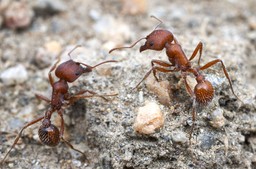 Care guidePogonomyrmex occidentalis$39.99
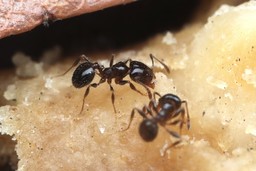 Care guidePheidole bicarinata$29.99 · restocks Nov 1, 2026
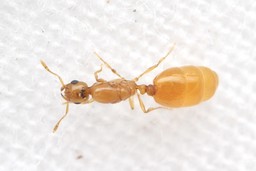 Care guideSolenopsis carolinensis$49.99 · restocks Nov 1, 2026
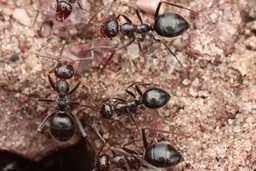 Care guideMyrmecocystus mimicus$49.99 · restocks Nov 1, 2026
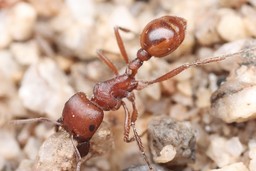 Care guidePogonomyrmex barbatus$34.99 · restocks Nov 1, 2026
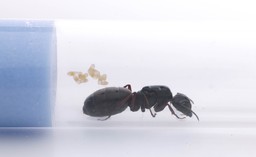 Care guideCamponotus modoc$44.99 · restocks Nov 1, 2026
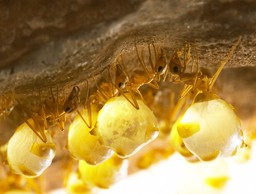 Care guideMyrmecocystus mexicanus$99.99 · restocks Nov 1, 2026
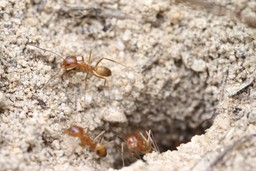 Care guideDorymyrmex bureni$29.99 · restocks Nov 1, 2026
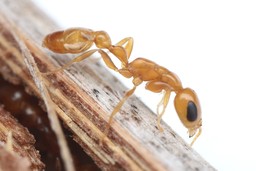 Care guidePseudomyrmex pallidus$39.99 · restocks Nov 1, 2026
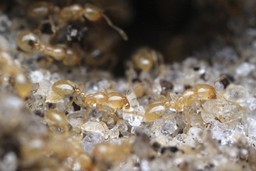 Care guideSolenopsis pergandei$39.99 · restocks Nov 1, 2026
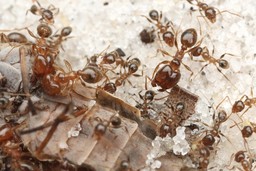 Care guidePheidole dentata$54.99 · restocks Nov 1, 2026
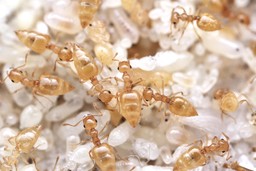 Care guideCrematogaster minutissima$59.99 · restocks Nov 1, 2026
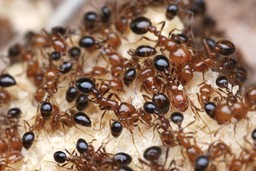 Care guideSolenopsis xyloni$39.99 · restocks Nov 1, 2026
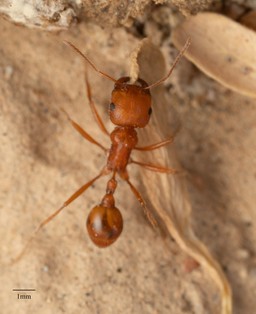 Care guidePogonomyrmex maricopa$79.99 · restocks Nov 1, 2026
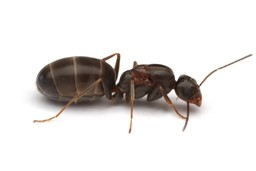 Care guideDorymyrmex insanus$59.99 · restocks Nov 1, 2026
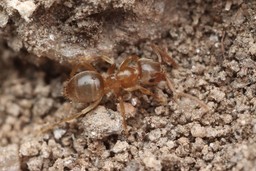 Care guideLasius pallitarsis$39.99 · restocks Nov 1, 2026
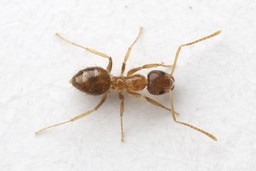 Care guideNylanderia arenivaga$49.99 · restocks Feb 1, 2027
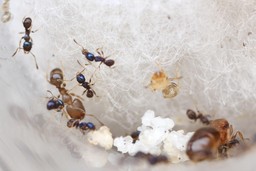 Care guidePheidole metallescens$49.99
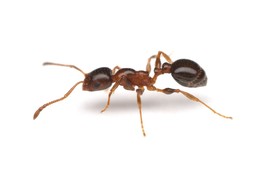 Care guideTemnothorax pergandei$29.99
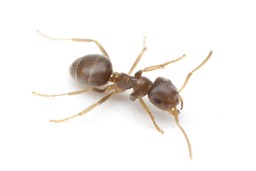 Care guideLasius neoniger$29.99 · restocks Mar 1, 2027
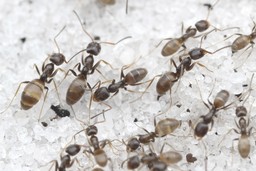 Care guideForelius pruinosus$39.99
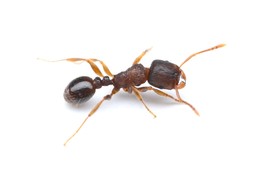 Care guideTetramorium immigrans$29.99
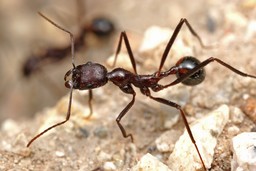 Care guideNovomessor cockerelli$34.99
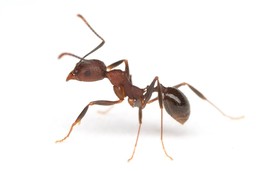 Care guideAphaenogaster fulva$29.99
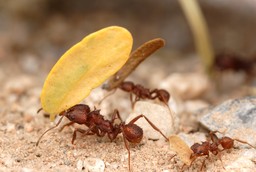 Care guideAcromyrmex versicolor$69.99
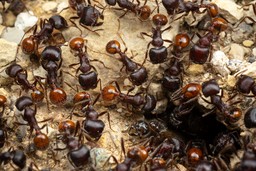 Care guidePogonomyrmex rugosus$39.99
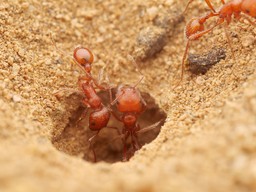 Care guidePogonomyrmex californicus$34.99
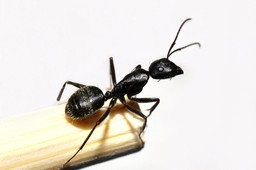 Care guideCamponotus pennsylvanicus$29.99
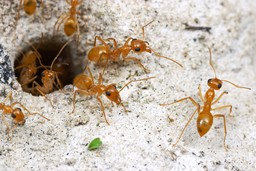 Care guideMyrmecocystus navajo$99.99
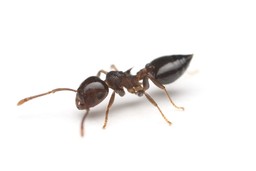 Care guideCrematogaster cerasi$39.99
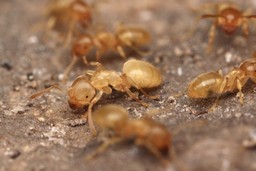 Care guideLasius brevicornis$24.99
What we can't ship — and why
15 of our species can't cross the New Mexico line. USDA-APHIS requires a PPQ 526 permit per species, per destination state; these aren't currently approved for New Mexico: Trachymyrmex septentrionalis, Veromessor pergandei, Camponotus floridanus, Camponotus castaneus, Pheidole morrisii, Pogonomyrmex badius, Pheidole lamia, Odontomachus brunneus, Pheidole littoralis, Solenopsis geminata, Colobopsis impressa, Camponotus chromaiodes, Camponotus decipiens, Camponotus snellingi, Camponotus discolor. You can still read their care guides — and rules change as permits are granted.
Native to New Mexico
Camponotus ocreatus — “A southwestern ant, running from California and Nevada through Arizona, New Mexico and Texas and far down into Mexico, from about 40.3°N to 18.5°N, with Nevada records between 4,200 and 7,000 feet.”
Camponotus sansabeanus — “Named for San Saba County, Texas, where the species was first collected, and ranging west and north from there across the arid interior: Texas, Oklahoma, New Mexico, Arizona, Nevada, Utah, Colorado, and northern Mexico.”
Camponotus vicinus — “A western ant, running from southern British Columbia and Alberta into northwestern Mexico and east to the Dakotas and western Texas, up to 2,960 meters in New Mexico.”
Crematogaster missouriensis — “A central and southeastern ant, recorded from Indiana and Kansas south through Missouri, Arkansas, Oklahoma and Texas to Florida, west into Arizona and New Mexico, and on into Mexico, spanning roughly 41.8°N down to…”
Formica neogagates — “A small, fast, unassuming Formica with an enormous range: coast to coast across southern Canada and the northern states, down the Appalachians to North Carolina, north to southern Alaska, and south through Nevada,…”
Lasius sitiens — “A southwestern mountain ant, described by Wilson in 1955 from juniper scrub north of Flagstaff and known from Arizona and New Mexico through Utah, Nevada and Texas into northern Mexico.”
Pheidole spadonia — “Native to Arizona, New Mexico, and parts of Northern Mexico.”
Prefer to catch your own queen? Our free Ant Flight Predictor is coming soon — it will forecast nuptial flights near you. Meanwhile, browse every state and the full TrapJaw Labs shop.