Ant Colonies We Ship to Arkansas
31 of our 46 ant species can ship to Arkansas. USDA-APHIS makes live-ant shipping a state-by-state matter — each species needs a PPQ 526 permit for each destination state — so here is exactly how Arkansas shakes out.
What we ship to Arkansas (31)
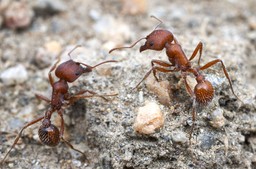 Care guidePogonomyrmex occidentalis$39.99
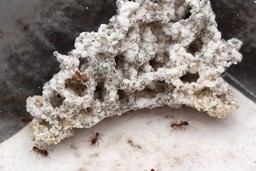 Care guideTrachymyrmex septentrionalis$99.99 · restocks Oct 15, 2026
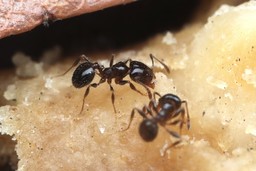 Care guidePheidole bicarinata$29.99 · restocks Nov 1, 2026
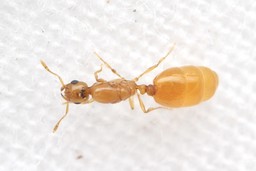 Care guideSolenopsis carolinensis$49.99 · restocks Nov 1, 2026
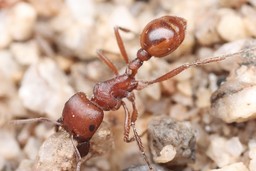 Care guidePogonomyrmex barbatus$34.99 · restocks Nov 1, 2026
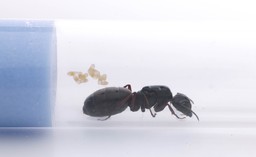 Care guideCamponotus modoc$44.99 · restocks Nov 1, 2026
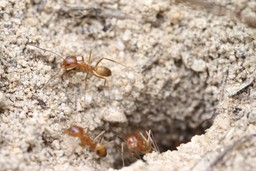 Care guideDorymyrmex bureni$29.99 · restocks Nov 1, 2026
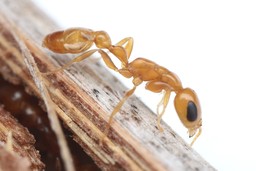 Care guidePseudomyrmex pallidus$39.99 · restocks Nov 1, 2026
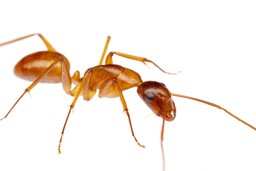 Care guideCamponotus castaneus$29.99 · restocks Nov 1, 2026
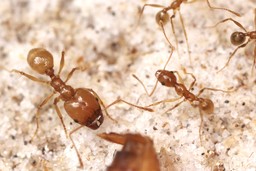 Care guidePheidole morrisii$64.99 · restocks Nov 1, 2026
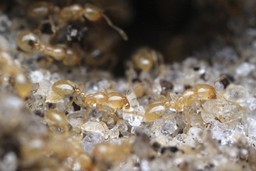 Care guideSolenopsis pergandei$39.99 · restocks Nov 1, 2026
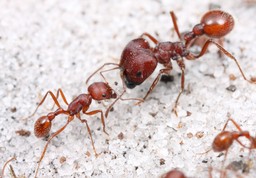 Care guidePogonomyrmex badius$59.99 · restocks Nov 1, 2026
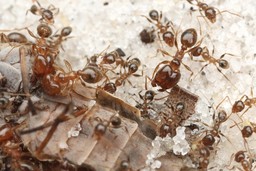 Care guidePheidole dentata$54.99 · restocks Nov 1, 2026
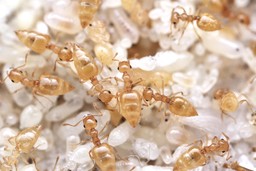 Care guideCrematogaster minutissima$59.99 · restocks Nov 1, 2026
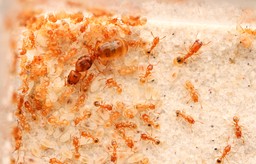 Care guidePheidole lamia$39.99 · restocks Nov 1, 2026
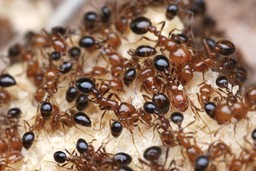 Care guideSolenopsis xyloni$39.99 · restocks Nov 1, 2026
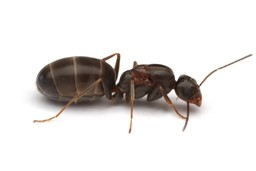 Care guideDorymyrmex insanus$59.99 · restocks Nov 1, 2026
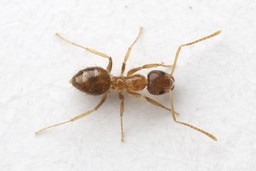 Care guideNylanderia arenivaga$49.99 · restocks Feb 1, 2027
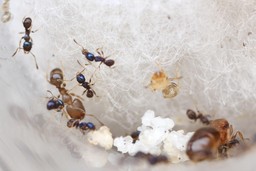 Care guidePheidole metallescens$49.99
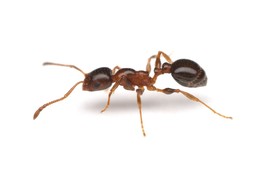 Care guideTemnothorax pergandei$29.99
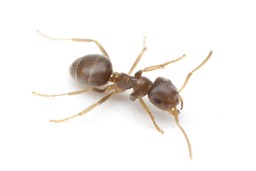 Care guideLasius neoniger$29.99 · restocks Mar 1, 2027
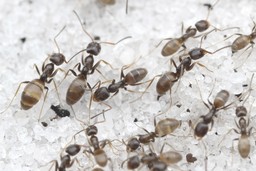 Care guideForelius pruinosus$39.99
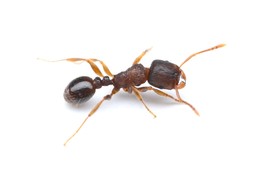 Care guideTetramorium immigrans$29.99
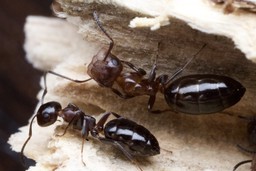 Care guideColobopsis impressa$39.99
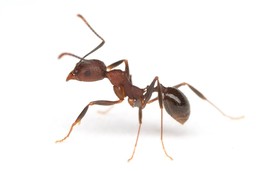 Care guideAphaenogaster fulva$29.99
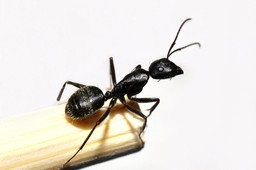 Care guideCamponotus pennsylvanicus$29.99
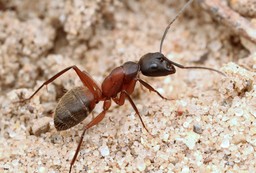 Care guideCamponotus chromaiodes$34.99
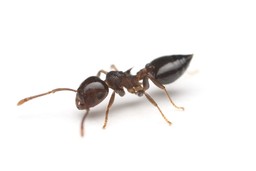 Care guideCrematogaster cerasi$39.99
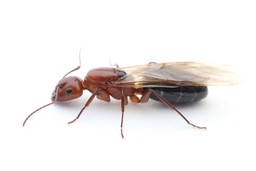 Care guideCamponotus decipiens$29.99
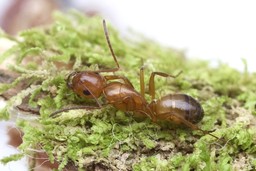 Care guideCamponotus snellingi$34.99
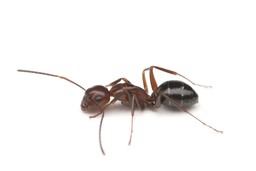 Care guideCamponotus discolor$29.99
What we can't ship — and why
15 of our species can't cross the Arkansas line. USDA-APHIS requires a PPQ 526 permit per species, per destination state; these aren't currently approved for Arkansas: Myrmecocystus mimicus, Veromessor pergandei, Myrmecocystus mexicanus, Camponotus floridanus, Pogonomyrmex maricopa, Odontomachus brunneus, Lasius pallitarsis, Pheidole littoralis, Solenopsis geminata, Novomessor cockerelli, Acromyrmex versicolor, Pogonomyrmex rugosus, Pogonomyrmex californicus, Myrmecocystus navajo, Lasius brevicornis. You can still read their care guides — and rules change as permits are granted.
Native to Arkansas
Crematogaster missouriensis — “A central and southeastern ant, recorded from Indiana and Kansas south through Missouri, Arkansas, Oklahoma and Texas to Florida, west into Arizona and New Mexico, and on into Mexico, spanning roughly 41.8°N down to…”
Arkansas splits into a cooler upland northwest and west — the Ozarks and the Ouachitas — and a milder lowland south and east, from the Delta to the coastal plain around El Dorado, but a colony's diapause follows its species, not its keeper's address. Use region as a guide to what is locally familiar. Cold-adapted species such as Camponotus pennsylvanicus and Lasius neoniger expect months of dormancy and decline when that rest is skipped, even in El Dorado. Lowland winters still bring regular hard freezes, so give warm-climate species a genuine shortened cool rest, not a token cool-down. Camponotus castaneus and Pheidole dentata are comfortable in either half of the state; Dorymyrmex bureni, a sandy-soil species of the coastal plain, is a warm-half pick. Keepers in Fayetteville and Helena may run different winters only if they keep different species. One caution: Odontomachus brunneus, a trap-jaw of the Deep South coastal plain, is not cleared for shipment to Arkansas, however tempting the genus.
Prefer to catch your own queen? Our free Ant Flight Predictor is coming soon — it will forecast nuptial flights near you. Meanwhile, browse every state and the full TrapJaw Labs shop.