Ant Colonies We Ship to Georgia
31 of our 46 ant species can ship to Georgia. USDA-APHIS makes live-ant shipping a state-by-state matter — each species needs a PPQ 526 permit for each destination state — so here is exactly how Georgia shakes out.
What we ship to Georgia (31)
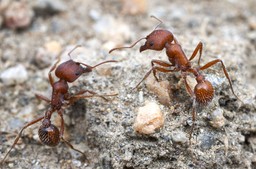 Care guidePogonomyrmex occidentalis$39.99
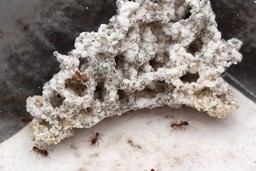 Care guideTrachymyrmex septentrionalis$99.99 · restocks Oct 15, 2026
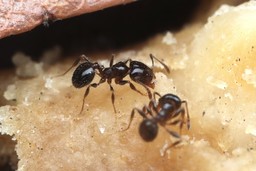 Care guidePheidole bicarinata$29.99 · restocks Nov 1, 2026
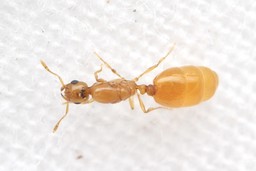 Care guideSolenopsis carolinensis$49.99 · restocks Nov 1, 2026
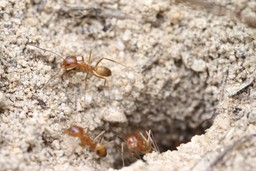 Care guideDorymyrmex bureni$29.99 · restocks Nov 1, 2026
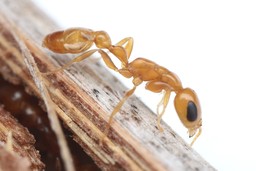 Care guidePseudomyrmex pallidus$39.99 · restocks Nov 1, 2026
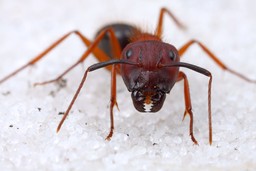 Care guideCamponotus floridanus$34.99 · restocks Nov 1, 2026
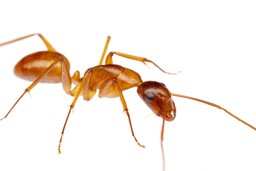 Care guideCamponotus castaneus$29.99 · restocks Nov 1, 2026
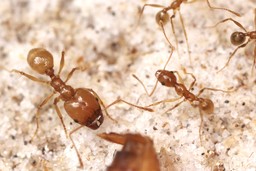 Care guidePheidole morrisii$64.99 · restocks Nov 1, 2026
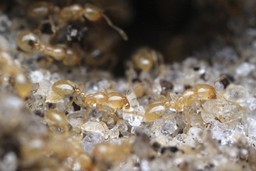 Care guideSolenopsis pergandei$39.99 · restocks Nov 1, 2026
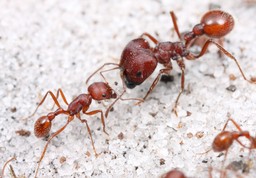 Care guidePogonomyrmex badius$59.99 · restocks Nov 1, 2026
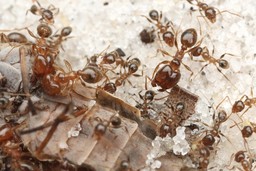 Care guidePheidole dentata$54.99 · restocks Nov 1, 2026
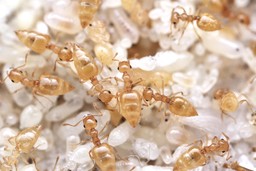 Care guideCrematogaster minutissima$59.99 · restocks Nov 1, 2026
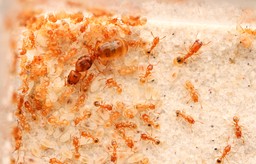 Care guidePheidole lamia$39.99 · restocks Nov 1, 2026
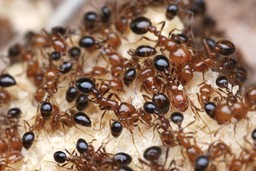 Care guideSolenopsis xyloni$39.99 · restocks Nov 1, 2026
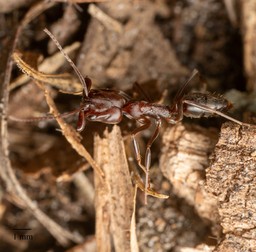 Care guideOdontomachus brunneus$99.99 · restocks Nov 1, 2026
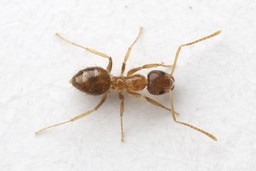 Care guideNylanderia arenivaga$49.99 · restocks Feb 1, 2027
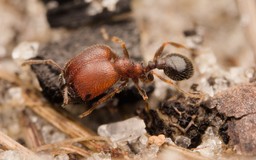 Care guidePheidole littoralis$79.99
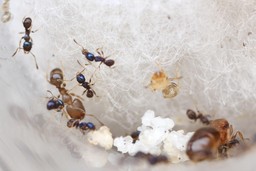 Care guidePheidole metallescens$49.99
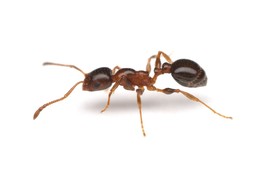 Care guideTemnothorax pergandei$29.99
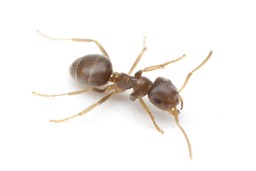 Care guideLasius neoniger$29.99 · restocks Mar 1, 2027
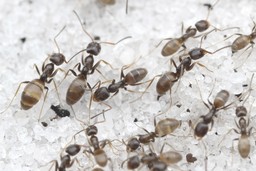 Care guideForelius pruinosus$39.99
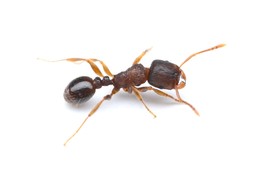 Care guideTetramorium immigrans$29.99
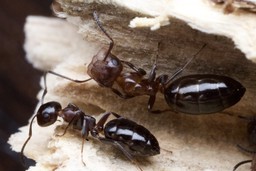 Care guideColobopsis impressa$39.99
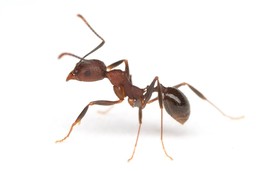 Care guideAphaenogaster fulva$29.99
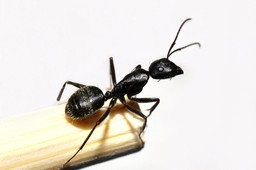 Care guideCamponotus pennsylvanicus$29.99
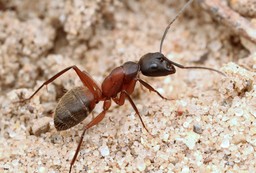 Care guideCamponotus chromaiodes$34.99
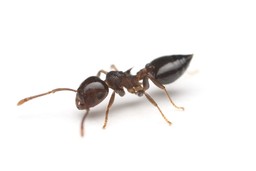 Care guideCrematogaster cerasi$39.99
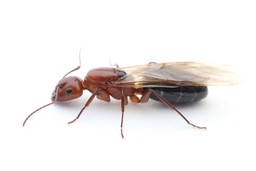 Care guideCamponotus decipiens$29.99
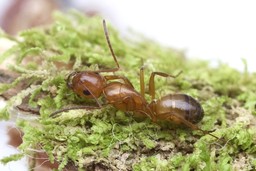 Care guideCamponotus snellingi$34.99
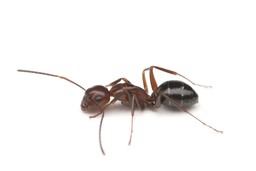 Care guideCamponotus discolor$29.99
What we can't ship — and why
15 of our species can't cross the Georgia line. USDA-APHIS requires a PPQ 526 permit per species, per destination state; these aren't currently approved for Georgia: Myrmecocystus mimicus, Pogonomyrmex barbatus, Veromessor pergandei, Camponotus modoc, Myrmecocystus mexicanus, Pogonomyrmex maricopa, Dorymyrmex insanus, Lasius pallitarsis, Solenopsis geminata, Novomessor cockerelli, Acromyrmex versicolor, Pogonomyrmex rugosus, Pogonomyrmex californicus, Myrmecocystus navajo, Lasius brevicornis. You can still read their care guides — and rules change as permits are granted.
Native to Georgia
Pheidole adrianoi — “Native to central and northern Florida, west to the panhandle, with records extending into Georgia and Alabama.”
Pheidole tysoni — “Widely but patchily distributed, from New York south to northern Georgia and west through Tennessee and Kentucky, with separate montane populations in the mountains of southern Arizona and the Davis Mountains of west…”
Georgia runs from the Blue Ridge of the northeast and the ridge-and-valley country of the northwest, across the Piedmont, and down onto the coastal plain, and where you live on that gradient should steer both your species choice and your winter plan. North Georgia gets a real winter, and there Camponotus pennsylvanicus does best with a genuine diapause — months of cool, quiet dormancy. On the coastal plain, winters stay mild, and warm-climate species like Camponotus floridanus and the trap-jaw Odontomachus brunneus need only a shallow seasonal slowdown rather than a full shutdown; Camponotus castaneus is as much at home in south Georgia's sandy soils as anywhere in the state. Pogonomyrmex badius, the Southeast's sand-loving harvester, wants the deep sandy ground common across south Georgia. Two are off the table for Georgia: the widely kept red harvester Pogonomyrmex barbatus and the tropical fire ant Solenopsis geminata, neither of which is cleared for shipment here. Match the colony to your elevation and your winter, not just to what catches your eye.
When queens fly in Georgia
Our analysis of 7,620 alate observations across the Southeast (including Georgia) found that June, May and July hold 64% of recorded nuptial flights, and about half of every record belongs to a dusk or after-dark flier. Full breakdown in our southeastern nuptial flight study.
Prefer to catch your own queen? Our free Ant Flight Predictor is coming soon — it will forecast nuptial flights near you. Meanwhile, browse every state and the full TrapJaw Labs shop.