Ant Colonies We Ship to Mississippi
31 of our 46 ant species can ship to Mississippi. USDA-APHIS makes live-ant shipping a state-by-state matter — each species needs a PPQ 526 permit for each destination state — so here is exactly how Mississippi shakes out.
What we ship to Mississippi (31)
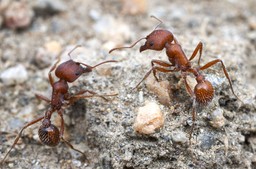 Care guidePogonomyrmex occidentalis$39.99
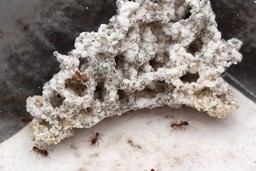 Care guideTrachymyrmex septentrionalis$99.99 · restocks Oct 15, 2026
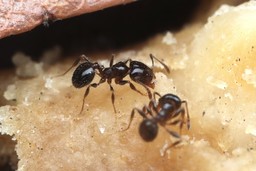 Care guidePheidole bicarinata$29.99 · restocks Nov 1, 2026
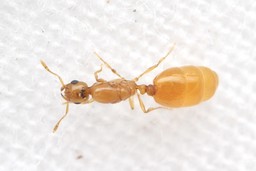 Care guideSolenopsis carolinensis$49.99 · restocks Nov 1, 2026
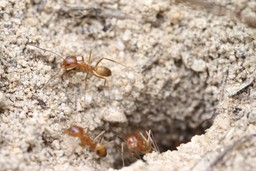 Care guideDorymyrmex bureni$29.99 · restocks Nov 1, 2026
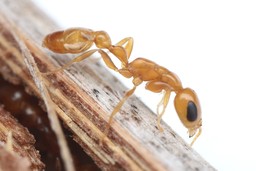 Care guidePseudomyrmex pallidus$39.99 · restocks Nov 1, 2026
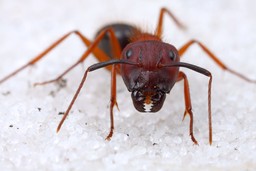 Care guideCamponotus floridanus$34.99 · restocks Nov 1, 2026
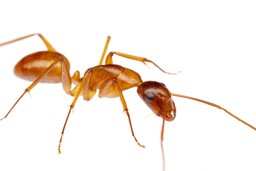 Care guideCamponotus castaneus$29.99 · restocks Nov 1, 2026
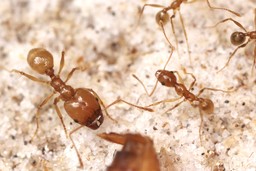 Care guidePheidole morrisii$64.99 · restocks Nov 1, 2026
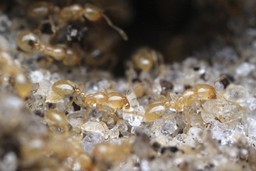 Care guideSolenopsis pergandei$39.99 · restocks Nov 1, 2026
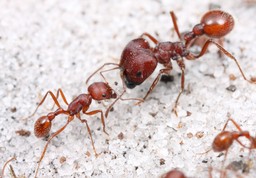 Care guidePogonomyrmex badius$59.99 · restocks Nov 1, 2026
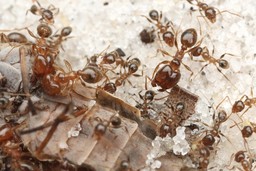 Care guidePheidole dentata$54.99 · restocks Nov 1, 2026
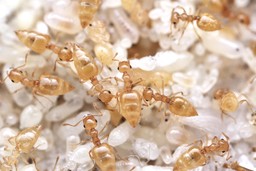 Care guideCrematogaster minutissima$59.99 · restocks Nov 1, 2026
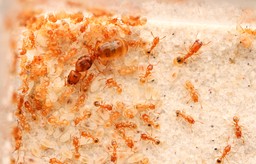 Care guidePheidole lamia$39.99 · restocks Nov 1, 2026
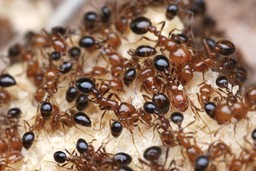 Care guideSolenopsis xyloni$39.99 · restocks Nov 1, 2026
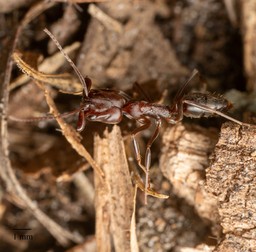 Care guideOdontomachus brunneus$99.99 · restocks Nov 1, 2026
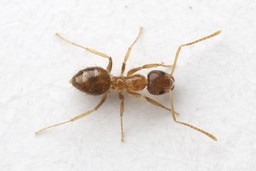 Care guideNylanderia arenivaga$49.99 · restocks Feb 1, 2027
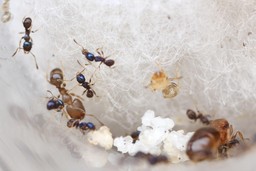 Care guidePheidole metallescens$49.99
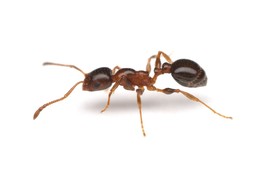 Care guideTemnothorax pergandei$29.99
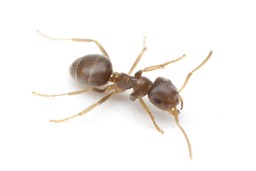 Care guideLasius neoniger$29.99 · restocks Mar 1, 2027
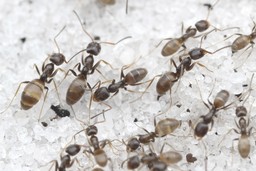 Care guideForelius pruinosus$39.99
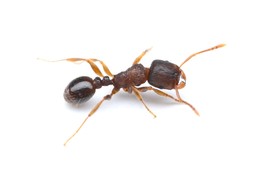 Care guideTetramorium immigrans$29.99
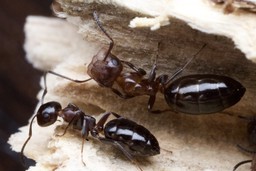 Care guideColobopsis impressa$39.99
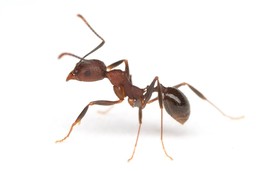 Care guideAphaenogaster fulva$29.99
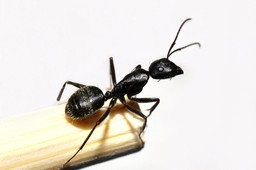 Care guideCamponotus pennsylvanicus$29.99
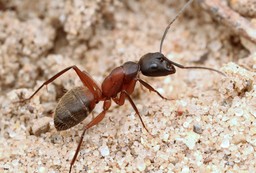 Care guideCamponotus chromaiodes$34.99
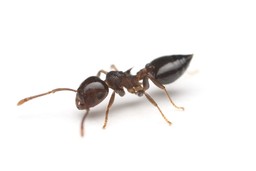 Care guideCrematogaster cerasi$39.99
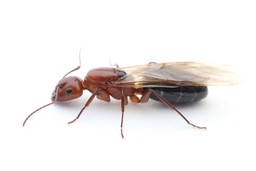 Care guideCamponotus decipiens$29.99
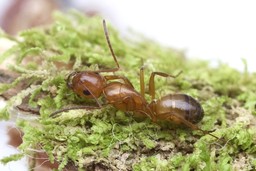 Care guideCamponotus snellingi$34.99
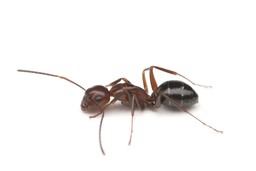 Care guideCamponotus discolor$29.99
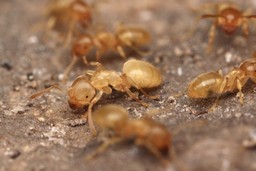 Care guideLasius brevicornis$24.99
What we can't ship — and why
15 of our species can't cross the Mississippi line. USDA-APHIS requires a PPQ 526 permit per species, per destination state; these aren't currently approved for Mississippi: Myrmecocystus mimicus, Pogonomyrmex barbatus, Veromessor pergandei, Camponotus modoc, Myrmecocystus mexicanus, Pogonomyrmex maricopa, Dorymyrmex insanus, Lasius pallitarsis, Pheidole littoralis, Solenopsis geminata, Novomessor cockerelli, Acromyrmex versicolor, Pogonomyrmex rugosus, Pogonomyrmex californicus, Myrmecocystus navajo. You can still read their care guides — and rules change as permits are granted.
Mississippi keeping is mostly a fight with water. In the humid summer, a test tube moved between air-conditioned and warm rooms fogs fast: pooled condensation can soak a founding queen and set off mold, and a failing cotton reservoir commonly floods the tube and drowns her. Keep tubes at one stable temperature, out of sun; when the reservoir runs low, leaks, or grows significant mold, migrate her to a fresh setup; never pull the water-reservoir cotton from an occupied tube. Skip unconditioned garages and sheds in summer: the heat alone is lethal. Winters are short and mild in the southern half — though freezes still reach the coast — while northern Mississippi gets longer, harder freezes. Temperate Camponotus castaneus and Camponotus pennsylvanicus want a cool rest, roughly 45–60°F for two to three months, in a wine cooler — or, in north Mississippi's coldest months, a thermometer-checked closet on an exterior wall. Odontomachus brunneus and Camponotus floridanus barely pause: slower brood, not shutdown. Desert species like Myrmecocystus mexicanus and Pogonomyrmex barbatus cannot ship to Mississippi.
When queens fly in Mississippi
Our analysis of 7,620 alate observations across the Southeast (including Mississippi) found that June, May and July hold 64% of recorded nuptial flights, and about half of every record belongs to a dusk or after-dark flier. Full breakdown in our southeastern nuptial flight study.
Prefer to catch your own queen? Our free Ant Flight Predictor is coming soon — it will forecast nuptial flights near you. Meanwhile, browse every state and the full TrapJaw Labs shop.